
Integrating AP Automation with Existing Systems
Quick answer
Quick answer: Integrating AP automation with existing systems involves connecting your automated accounts payable processes seamlessly with your current ERP and financial software. This integration ensures a smooth flow of data, which reduces manual intervention, enhances accuracy, and drives faster processing times, leading to improved financial operations. on Monday morning, and Sarah, the Accounts Payable (AP) manager at a leading multinational, finds herself drowning in a sea of invoices.
Quick answer:
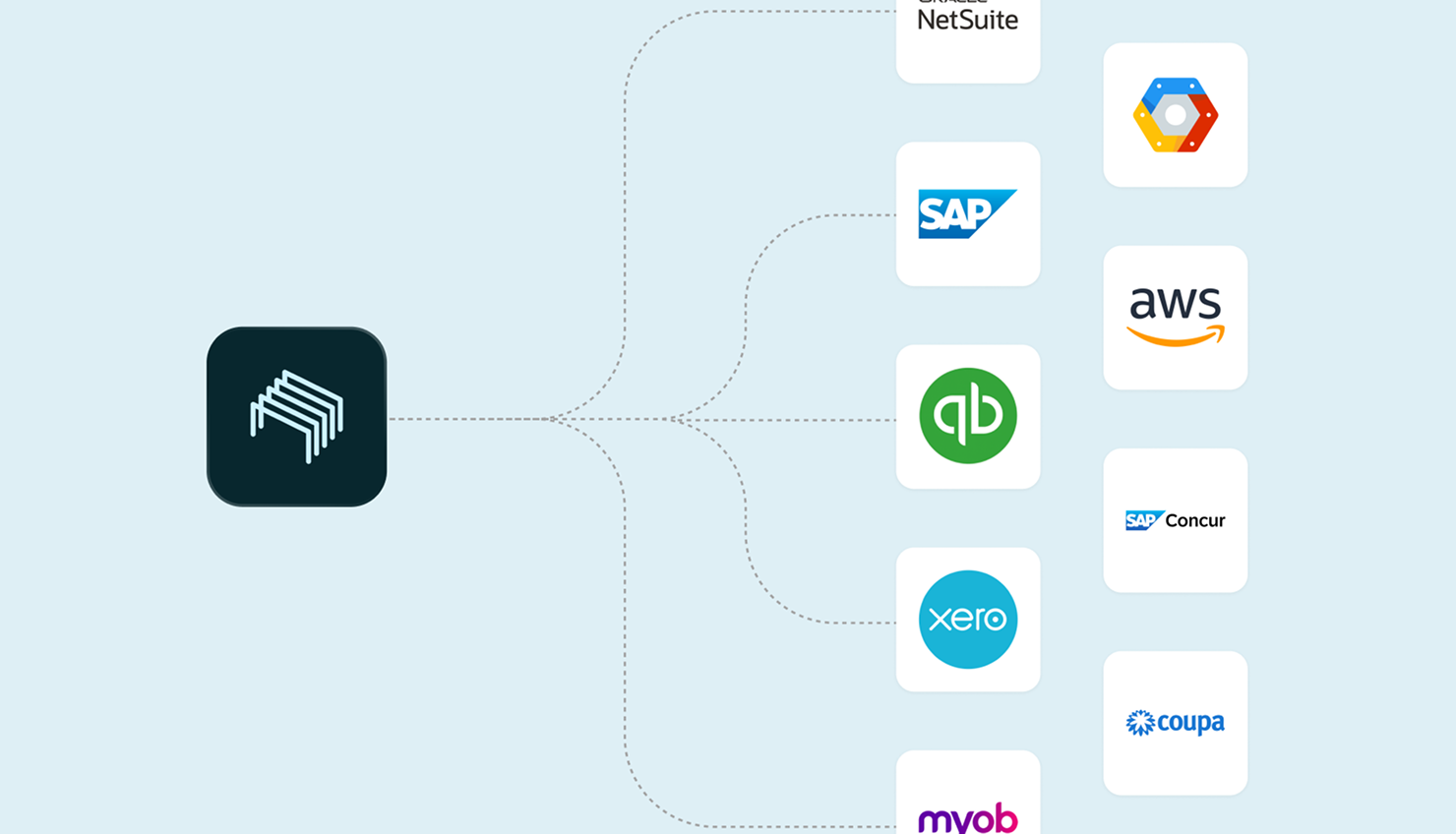
Integrating AP automation with existing systems involves connecting your automated accounts payable processes seamlessly with your current ERP and financial software. This integration ensures a smooth flow of data, which reduces manual intervention, enhances accuracy, and drives faster processing times, leading to improved financial operations.
It's 9 a.m. on Monday morning, and Sarah, the Accounts Payable (AP) manager at a leading multinational, finds herself drowning in a sea of invoices. Some are emailed PDFs, others are paper-based, and a few are sent by various e-invoicing platforms. Despite having invested in a state-of-the-art AP automation system last year, Sarah is still bogged down. Why? Because her current AP system isn't seamlessly connected with the company's existing ERP and financial software. This isn't just Sarah's dilemma; many finance leaders face the same hurdle when it comes to integrating AP automation solutions with legacy systems.
I recall a conversation with a friend who's a CFO at another firm. He shared his frustrations about trying to connect their new AP system with old database architecture. It was like trying to fit a square peg in a round hole. They made the investment, but hadn't seen the full ROI because the systems didn't "talk" to each other. As our conversation went on, it became clear that the real challenge wasn't just about having the latest software , it was about smart integration.
Have you ever faced similar issues in your organization? If so, you're not alone. In my experience, integrating AP automation can be both daunting and rewarding. Let's navigate through this landscape together.
Connecting AP Systems: An In-Depth Look
Integrating AP automation with existing systems is more than just plugging in software and hoping it all works. It’s a meticulous process that ensures your financial operations run like a well-oiled machine. The goal is to ensure the AP automation system communicates smoothly with other organizational tools, ensuring data flows seamlessly and accurately.
Manual AP Management:
- Manual AP processes require large amounts of time for data entry and validation, often leading to delays.
- Human errors are prevalent, impacting invoice accuracy and subsequent financial reporting.
- It involves substantial labor costs, often consuming resources that could be better utilized elsewhere.
- Scalability of manual processes is limited, constraining an organization's ability to handle growing transaction volumes.
- The traditional approach hinders real-time data visibility, affecting timely decision-making.
- Over-reliance on paper-based processes increases the risk of document loss and compliance issues.
- Manual systems struggle with efficient audit trails, complicating verification and compliance efforts.
Integrated AP Automation:
- Integration of AP automation significantly speeds up end-to-end processing times by reducing manual tasks.
- Automated systems achieve higher accuracy rates, minimizing costly human errors.
- Automation scales effortlessly, adapting to increased invoice volumes without additional headcount.
- Real-time data integration enhances financial visibility, supporting proactive decision-making.
- Automated systems enhance compliance by ensuring proper documentation and audit trails with ease.
- Integration reduces labor costs, freeing human resources for more strategic tasks.
- Enhanced data consistency across systems eliminates data silos and fosters improved collaboration.
- The transition from manual to automated processes is clearly a game-changer. An integrated approach ensures that data is not just shared but harmonized across platforms, leading to smarter business decisions. Without this integration, firms remain shackled by inefficiencies.
The Real Cost of Disconnected Systems in AP Automation
Integrating AP automation systems is critical. Disconnected systems can cripple an organization in more ways than one might initially realize. For instance, did you know that enterprises can lose up to $20 per exception invoice due to inefficiencies? According to a report by Ardent Partners, errors stemming from manual processes can cost companies up to 1-2% of their annual operations budget.
In today's hyper-competitive market, every second counts. A non-integrated system slows down processes, impacts cash flow, and ultimately affects the bottom line. For CFOs, this inefficiency means facing increased error rates, longer cycle times, and disappointed stakeholders eagerly waiting for reports that just aren't coming fast enough. These compounding issues stunt growth and limit a company’s ability to pivot swiftly to market demands.
For those not actively working to improve system integration, the associated costs aren’t just financial. Delays harm reputations, and strained vendor relationships can hinder future negotiations. It's a silent drain, the kind that you only notice when it's too late.
Integrating AI-Powered AP Systems: The Steps Explained
Step 1: System Assessment. Begin by thoroughly evaluating current systems and their capabilities. This involves finance and IT teams collaboratively analyzing existing software and identifying integration opportunities. The result is a comprehensive understanding of what's needed for a seamless transition.
Step 2: Vendor Selection. Choose a vendor that offers robust integration options with current systems. Engage stakeholders to review compatibility and flexibility of potential solutions. An informed decision here ensures the chosen AP automation system aligns with company goals and infrastructure.
Step 3: Customization and Configuration. Once the vendor is chosen, customizations may be necessary to fit specific organizational protocols. This includes setting rules for data integration and workflow automation within the AP process. Configuring these details ensures the system meets business needs efficiently.
Step 4: Data Migration. A crucial step, data migration involves transferring existing AP data to the new system. The IT team monitors this phase meticulously to prevent data loss, ensuring all historical data remains intact and accessible in the new system.
Step 5: Training and Rollout. Training is essential for all AP-related personnel to adapt to automated processes. A structured training program ensures everyone knows how to use the new system effectively before full-scale rollout, minimizing disruptions.
Why AP System Integration Often Hits Roadblocks
Old software often lacks the flexibility needed for smooth integration with modern technology, causing barriers.
Disparate data sources lead to isolated information, making syncing a challenge and reducing data accuracy.
Without the commitment of leaders, integration projects can stall, lacking the resources and support to succeed.
Integration projects often face these hurdles, but recognizing them early allows organizations to tailor their approaches and avoid these pitfalls.
How Modern Document Automation Solves This
By leveraging modern tools, companies can eliminate many challenges associated with integrating AP automation. For instance, using smart, AI-powered platforms enable real-time integration and adaptability without overhauling existing systems. This means faster processing of invoices, reduced errors, and a single source of truth.
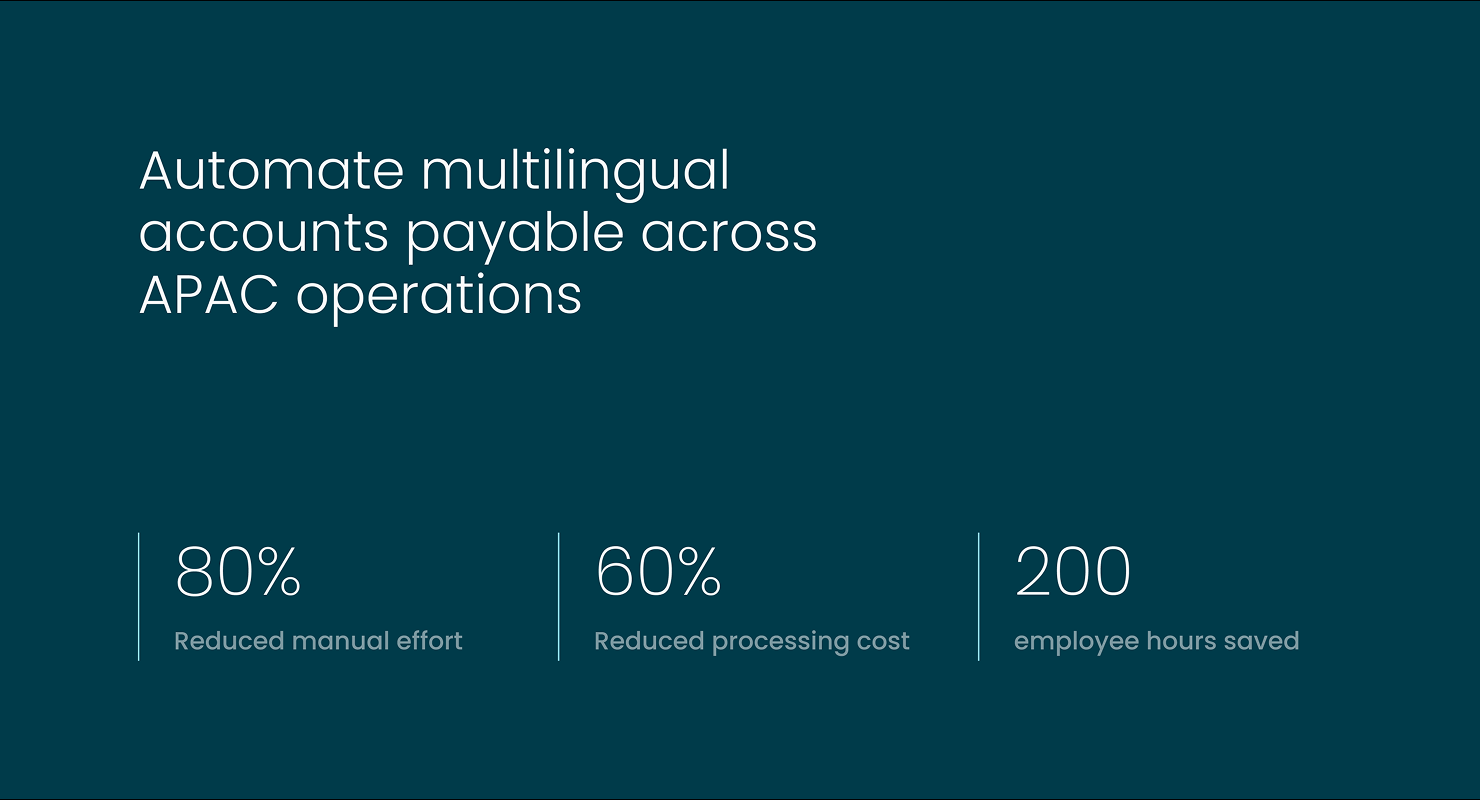
Staple AI exemplifies a partner that offers seamless integration capabilities. It provides extractive capabilities that reduce manual entry by over 80%, verifying data across varied formats and integrating it into existing systems. This minimizes manual validation and boosts accuracy significantly.
With such systems, what changes? Well, aside from drastic reductions in error rates and manual labor, there's a marked increase in employee satisfaction. The mundane, low-value tasks are automated, leaving teams to focus on more strategic responsibilities. This isn't just a boost in efficiency; it's a transformation in operational culture.
Data Insights into AP Automation Integration
About 50% of organizations using big data analytics achieve a significant competitive advantage. This underscores the potential when AP automation systems are properly integrated and leveraged.
A study reveals that integrated AP systems can cut costs by as much as 33%. That's a huge saving when considering the scale of operations at multinational companies. Efficient integration leads to greater spend visibility and profitability.
In 2025, forecasts says that workflows incorporating AI can potentially reduce processing errors by 70%. With automation, errors derived from manual operations become a rarity rather than the norm.
Additionally, data indicated that businesses with automated AP processes have 2.5 times higher efficiencies compared to manual operations. This efficiency translates directly into better resource management and improved cash flow.
[---]
Frequently Asked Questions
Why is integrating AP automation important for large enterprises?
Integrating AP automation with existing systems is crucial for large enterprises as it streamlines financial processes and reduces manual labor. This integration ensures data accuracy and enhances operational efficiency by ensuring that information seamlessly flows between systems, minimizing the risk of errors. For enterprises dealing with thousands of invoices monthly, automation integration can significantly reduce processing times and labor costs. A well-integrated system also provides better visibility into financial operations, aiding strategic decision-making.
How do you ensure a successful AP automation integration?
Successful AP automation integration starts with a thorough assessment of existing systems and their capabilities. Organizations should engage with experienced vendors offering flexible integration solutions tailored to their infrastructure. Effective planning and the establishment of clear communication channels among IT, finance, and relevant stakeholders are vital. Additionally, ensuring that all users are trained on the new system before rollout can significantly smoothen the transition and maximize automation benefits.
What are the potential challenges in integrating AP automation?
One major challenge in integrating AP automation is dealing with legacy systems that may not easily accommodate modern technologies. Another is ensuring data accuracy when transferring existing financial data into new systems. There is also the challenge of obtaining buy-in from all stakeholders, which is essential for the project's success. Overcoming these hurdles often requires strategic planning, clear communication, and selecting the right technology partners to facilitate the process.
How can automation improve the accuracy of data in AP processes?
Automation enhances data accuracy by reducing human intervention, which is often a source of error in manual processes. Automated systems can systematically validate data across multiple formats, ensuring consistency and correctness throughout the AP process. Moreover, with real-time data processing, discrepancies can be identified and rectified swiftly, reducing the possibility of persistent errors. Automation tools also maintain a comprehensive digital audit trail, adding another layer of accuracy and reliability to financial reporting.
What industries benefit the most from integrated AP automation?
While almost all industries can benefit from integrated AP automation, sectors with high volumes of transactions, such as retail, manufacturing, and finance, stand to gain significantly. The automation reduces manual workload, speeds up the AP cycle, and enhances transparency, crucial for managing large-scale transactions efficiently. Additionally, industries like healthcare and logistics, which require precise and prompt financial processing, also experience enhanced operational efficiency and compliance with integrated AP solutions.
How Staple AI Can Help
Staple AI sidesteps the complexities of system integration with its advanced AP automation solutions. Our platform brings to the table capabilities like Intelligent Tables and Auto-Reconciliation, which ensure your data flows seamlessly between disparate systems. By employing bespoke data mapping and extraction tools, Staple AI not only reduces manual effort but also enhances data accuracy, vital for your financial operations.
Implementing Staple AI is straightforward. We prioritize understanding your existing systems and work collaboratively to ensure seamless integration. Unlike traditional systems that require months of implementation, our solutions can be integrated and operational in a few weeks. The focus is on minimal disruption and maximum efficiency.
In my experience, this is where most AP automation projects slow down. Not because the technology is lacking, but because the integration layer becomes messy. Different ERPs, inconsistent data formats, and regional variations in invoices all start to pile up. What looks simple on paper quickly turns into a coordination problem across teams. Staple is designed to handle exactly this reality. It adapts to your systems instead of forcing you to adapt to it.
Note: The real value of AP automation is not just faster processing. It is about having reliable, audit-ready data flowing through your systems without constant human intervention. That’s what actually reduces risk and improves financial visibility.
With Staple AI, finance teams don’t just automate invoice processing. They gain control over how data moves, how it is validated, and how it connects across the organization.
Ready to transform your AP processes with better accuracy and less operational overhead? Visit our website to see how Staple AI fits into your existing systems, without the usual integration headache.

.png)