
Invoice Processing
Invoice processing across every country, language, and format
Invoices, POs, GRNs, e-invoices in scans, PDFs, XML, JSON from hundreds of suppliers. Staple extracts all data, verifies it, and feeds it into your ERP as audit-ready data with zero manual entry.
Your ERP was built for clean data. Your suppliers don't send it.
Volume is not the only problem. The variety is. Invoices arrive in different formats, from different countries, keyed by different teams into different systems. The data that comes out is inconsistent.
- The ERP receives what it can accept, and the rest sits in someone's inbox or spreadsheet waiting for a human to clean it up
- By the time everything is reconciled, close has already slipped.
- When an auditor asks where a figure came from, reconstructing the trail from email threads and shared drives takes days.
From any invoice to ERP-ready data
Sorted before a single field is touched
Every invoice batch is split, classified, and checked for tampering before extraction begins. Staple identifies each document type automatically, runs pixel-level forensics to catch edits the eye cannot see, and flags anything suspicious before it moves forward.
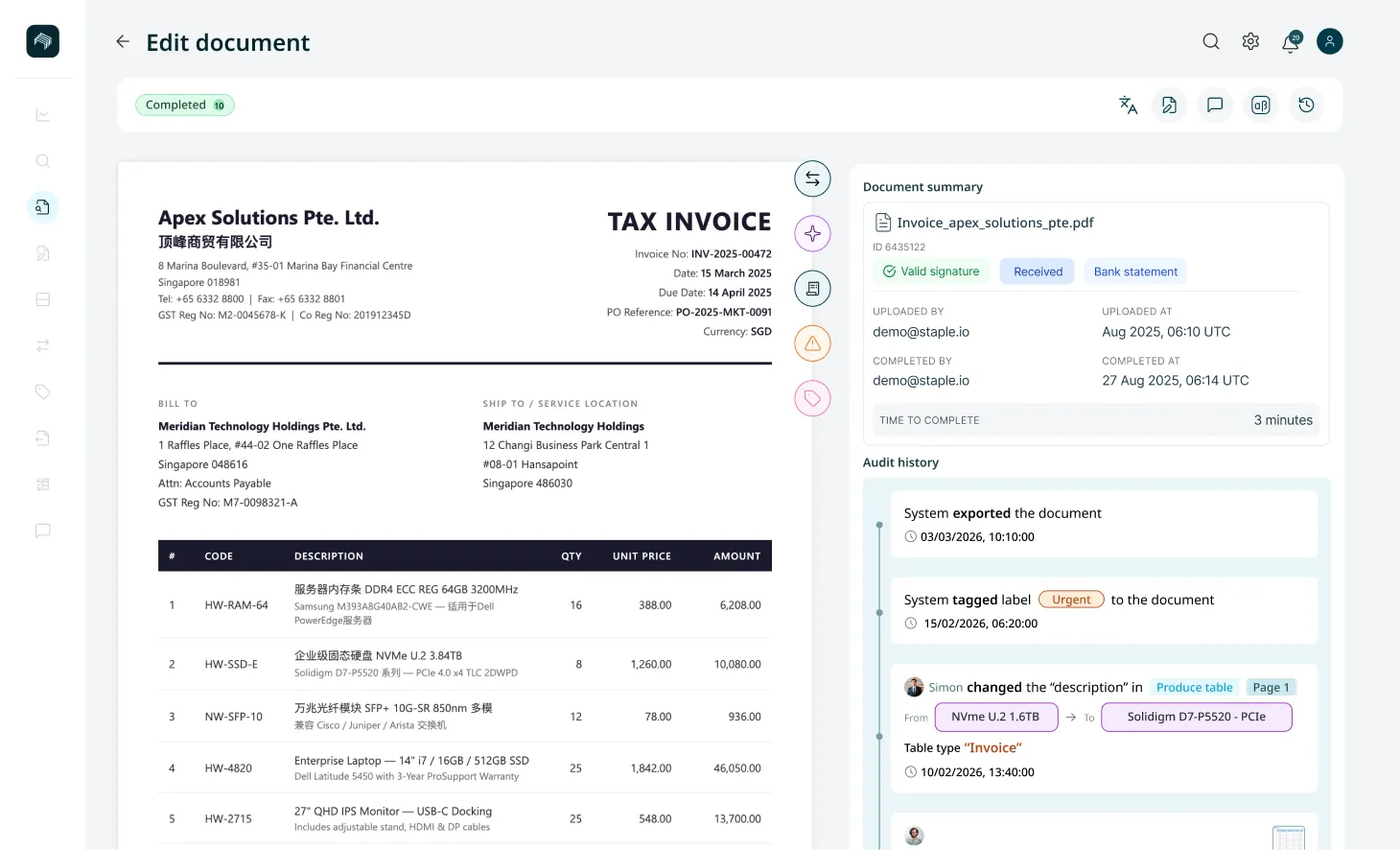
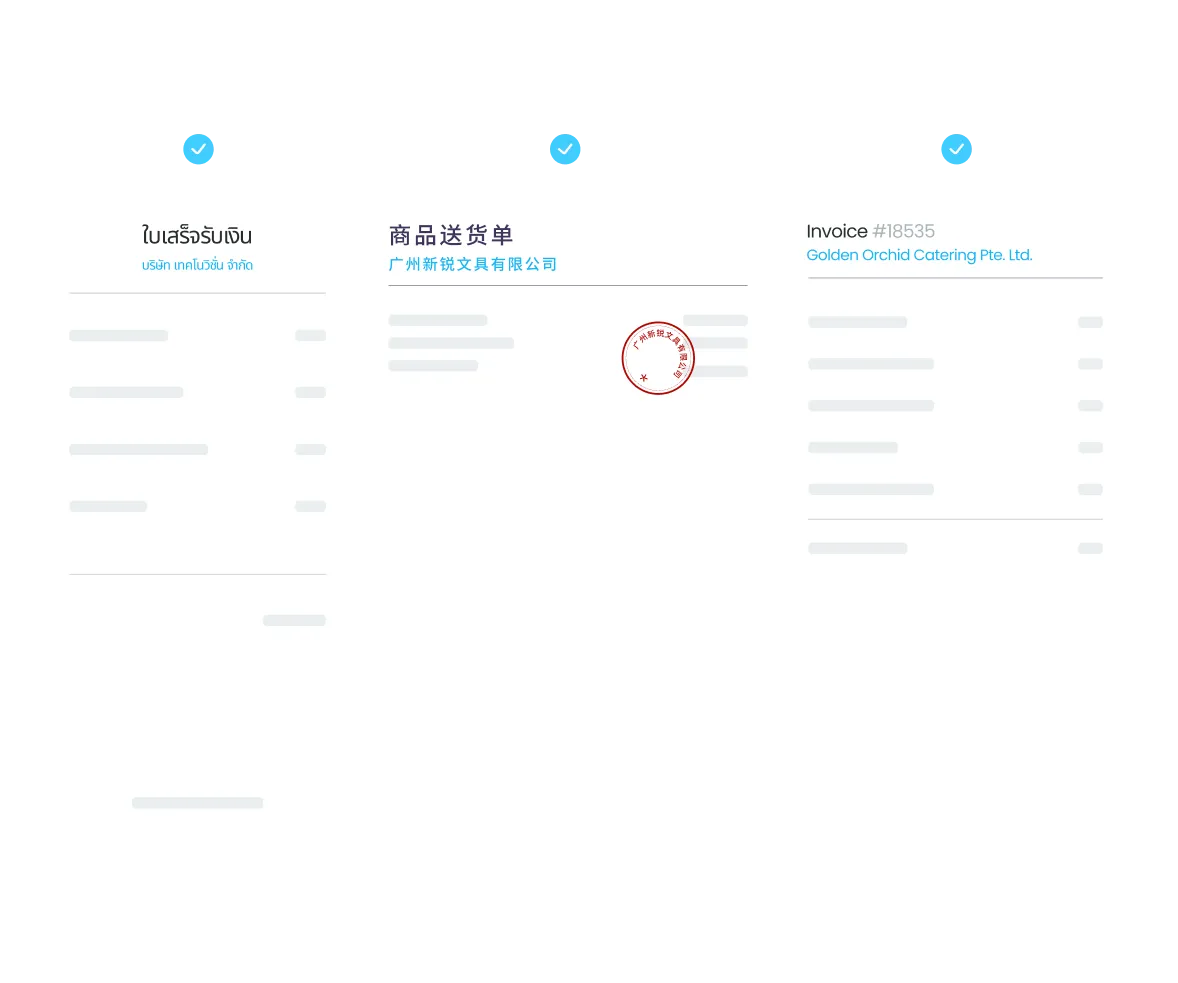
Extract invoices in any format, language
Staple extracts header fields and line items in complex tables across 300+ languages and integrates into your desired ERP. Context-based extraction, not template-based, so accuracy holds regardless of supplier format.
Verified before it reaches your ERP
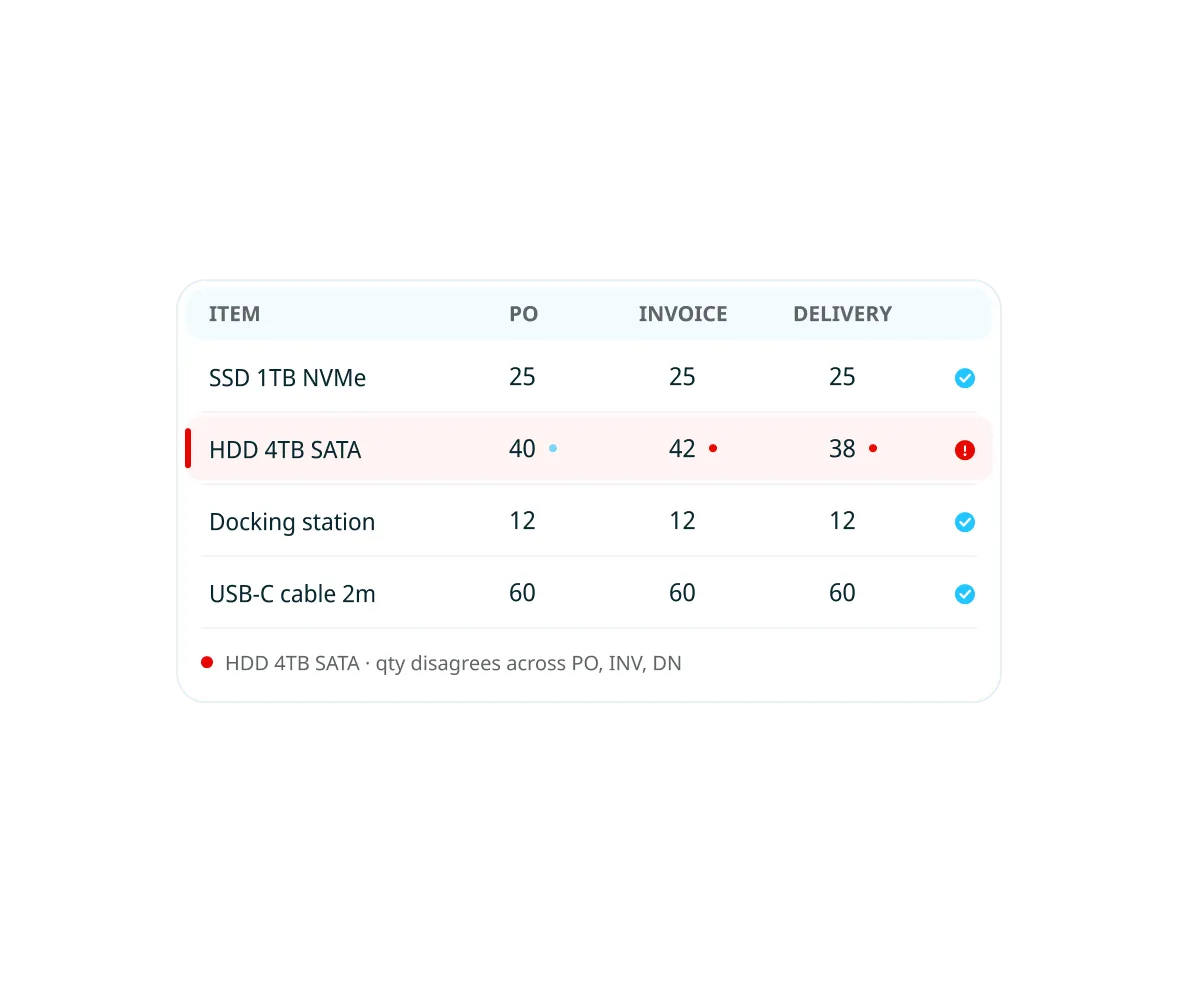
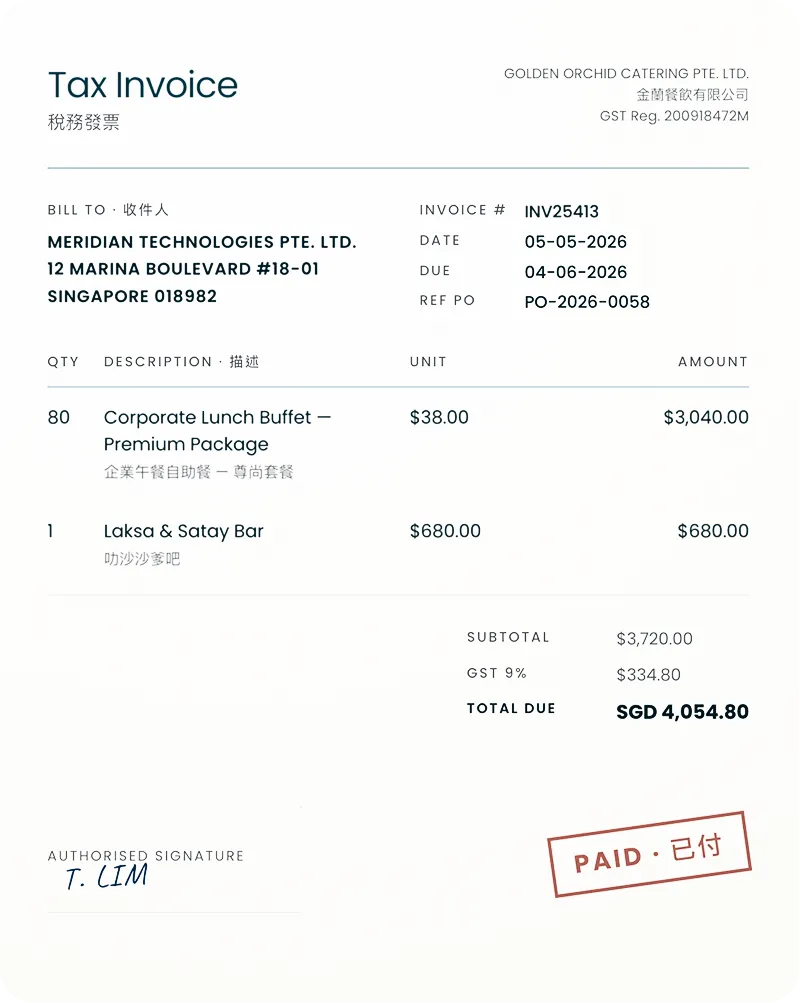
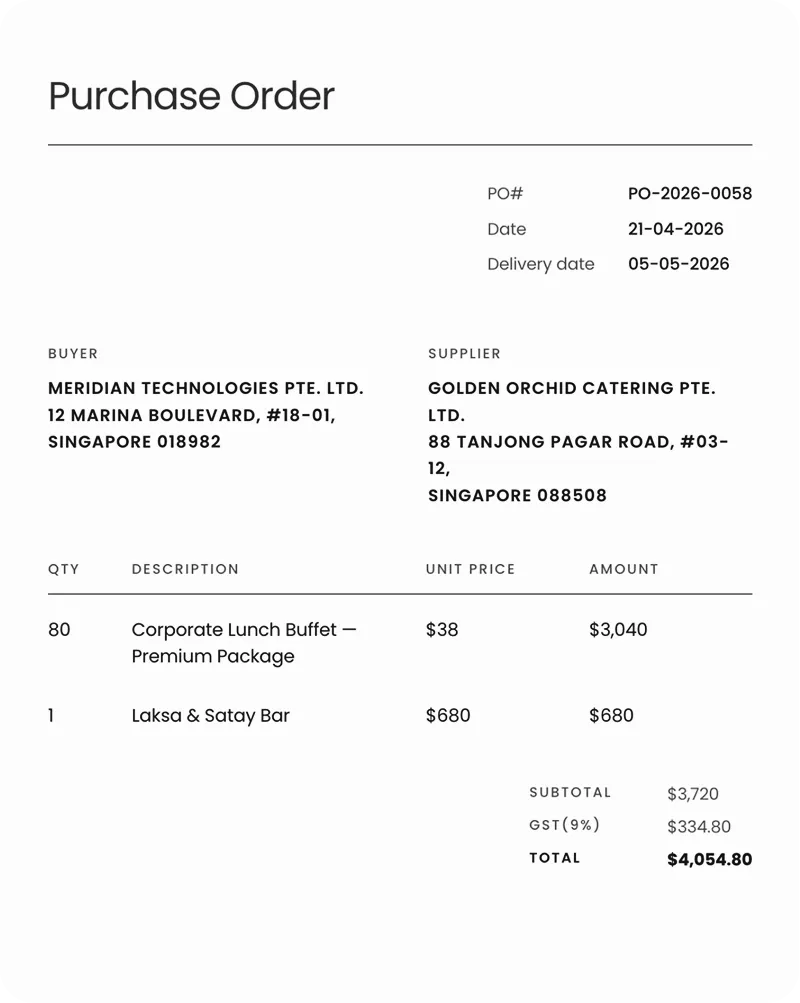
AI contextual verification checks every line item for meaning, not just value. Business rules flag anomalies against your thresholds. Three-way matching cross-checks invoices against POs and delivery notes. Nothing non-compliant reaches your systems.
One e-invoicing platform for every Country
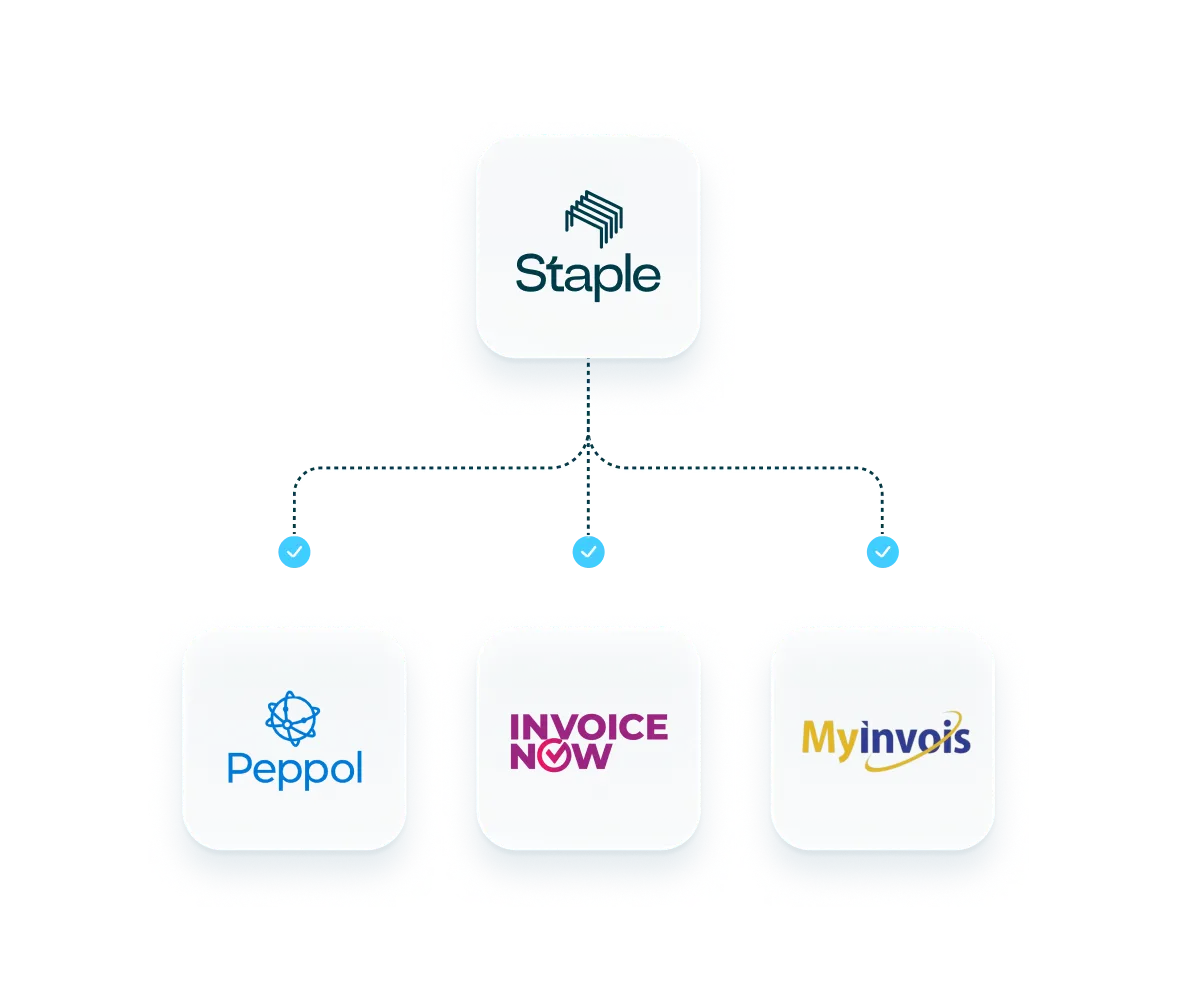
Staple connects to tax authority networks across the globe. E-invoices are validated and reconciled alongside paper and PDF invoices in the same flow. No separate compliance tool.
Not just accurate. Auditable.
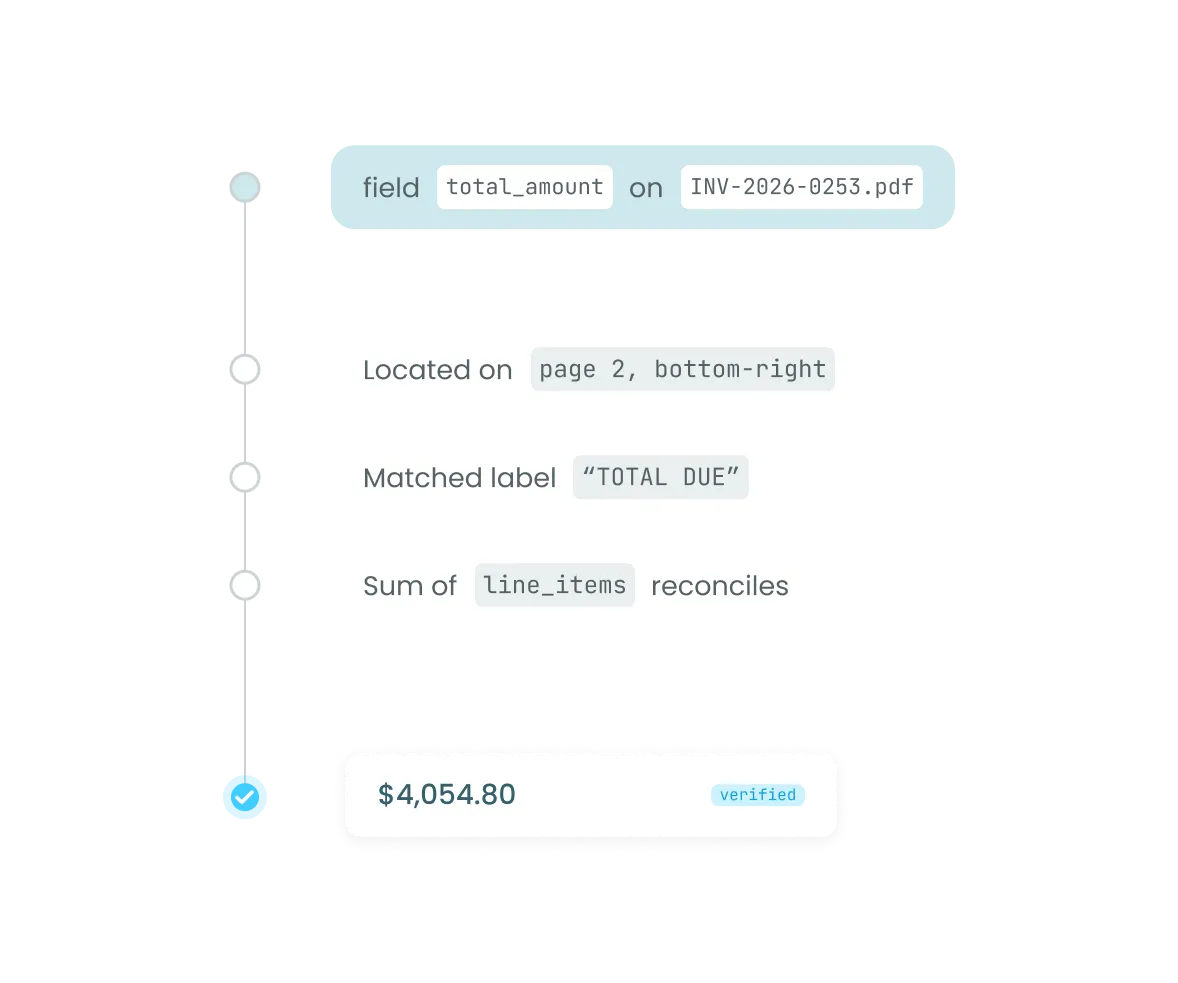
Every extracted field carries its full processing history: source document, model version, confidence score, and timestamp, cryptographically sealed. When a payment is disputed or an auditor asks why a line item changed, the answer is already in the data.

Document types covered
Paper, PDFs, and e-invoices are validated against the relevant tax authority in the same pipeline. Staple extracts the data, reconciles it, and pushes it into your existing business system.
Invoices
Purchase orders
Delivery notes
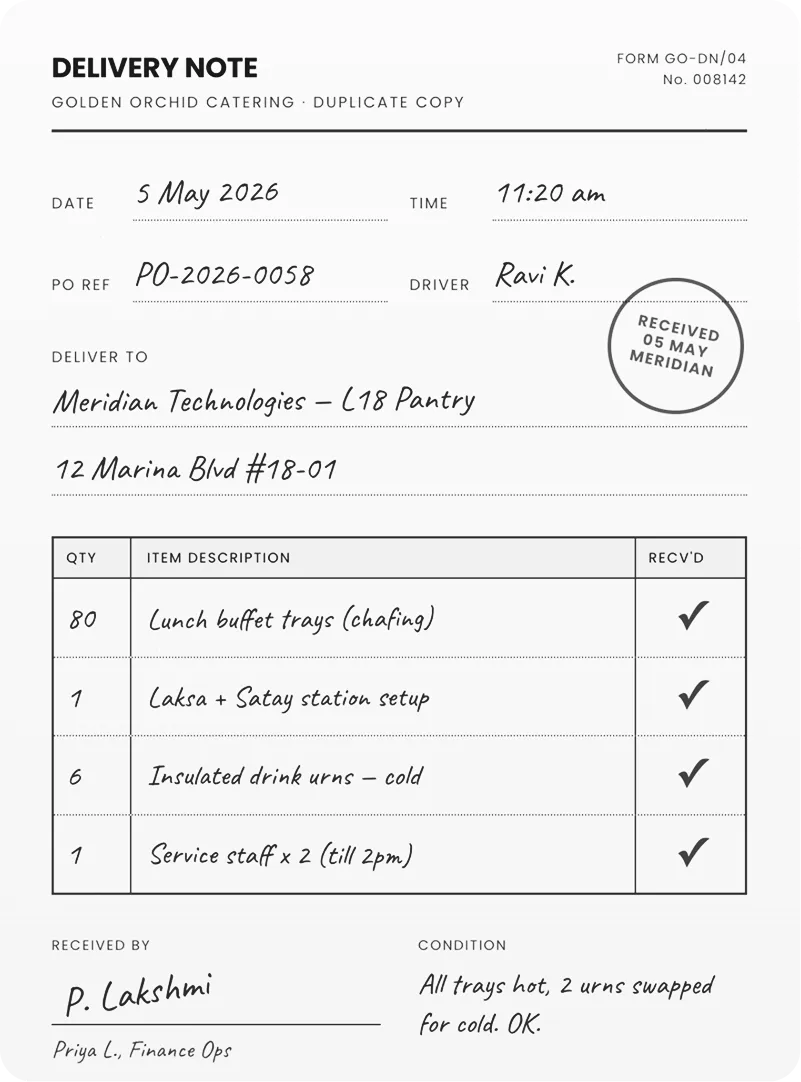
Receipts
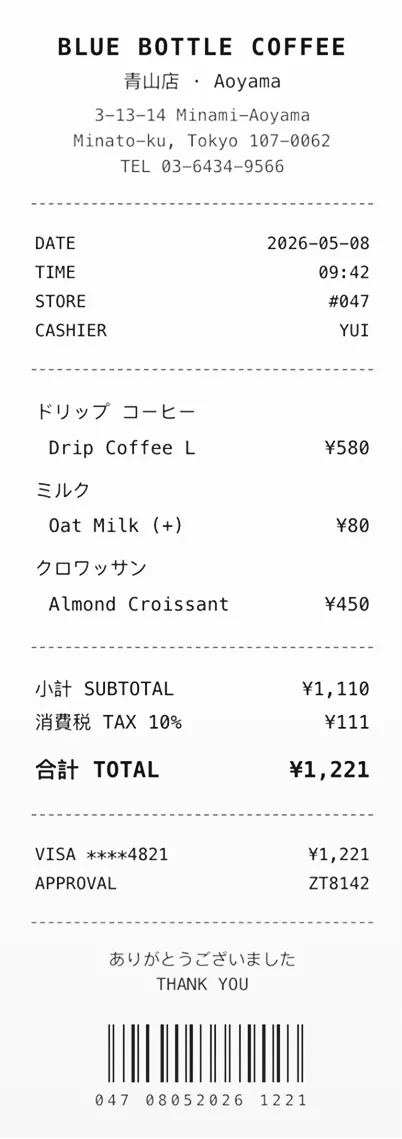
Contracts
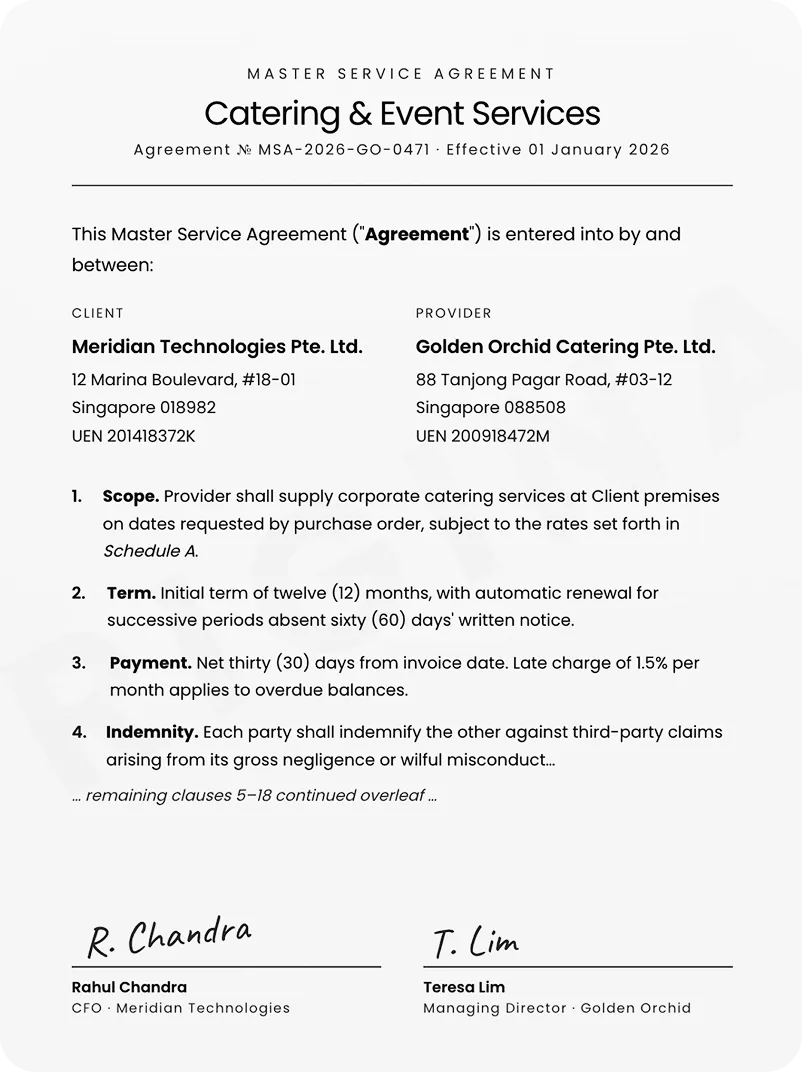
Expense claims
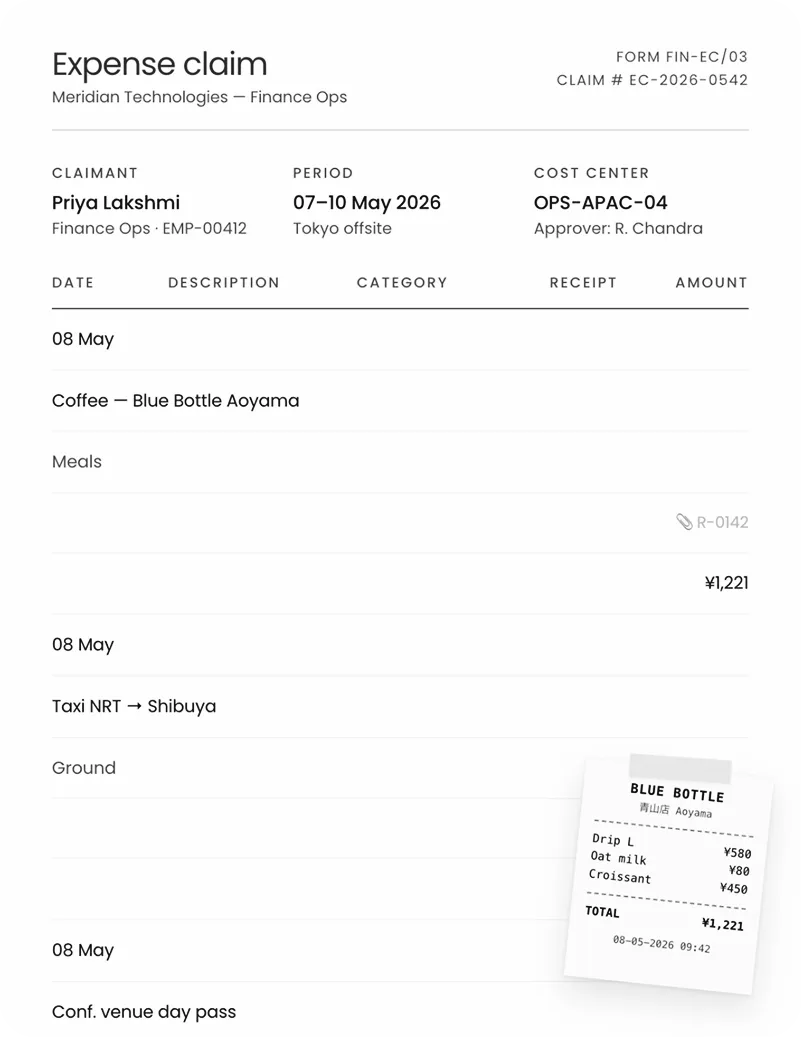
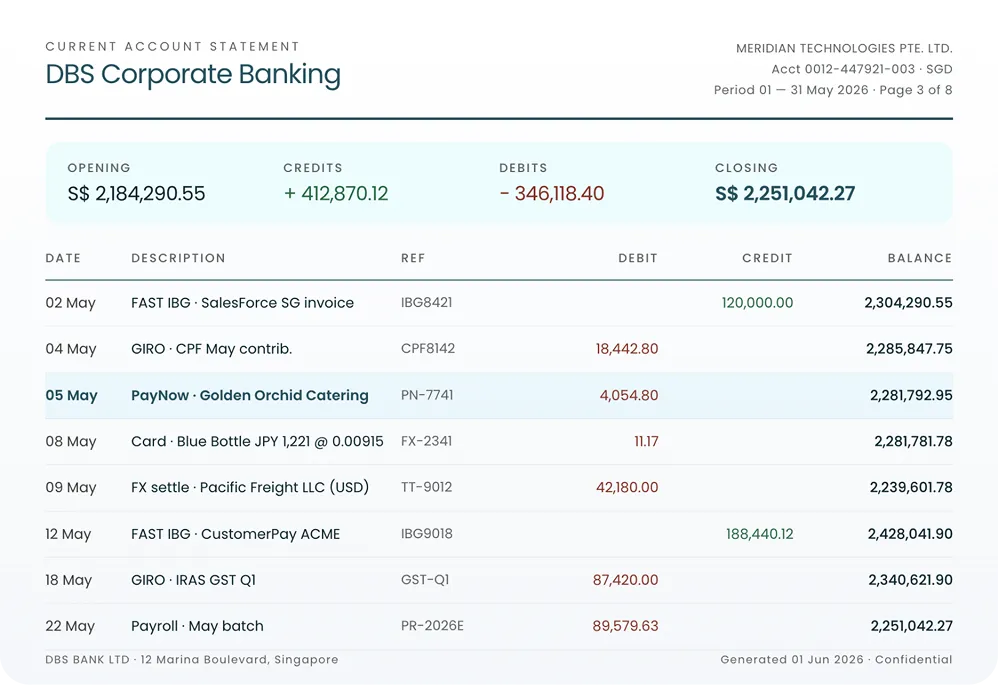
Bank statements
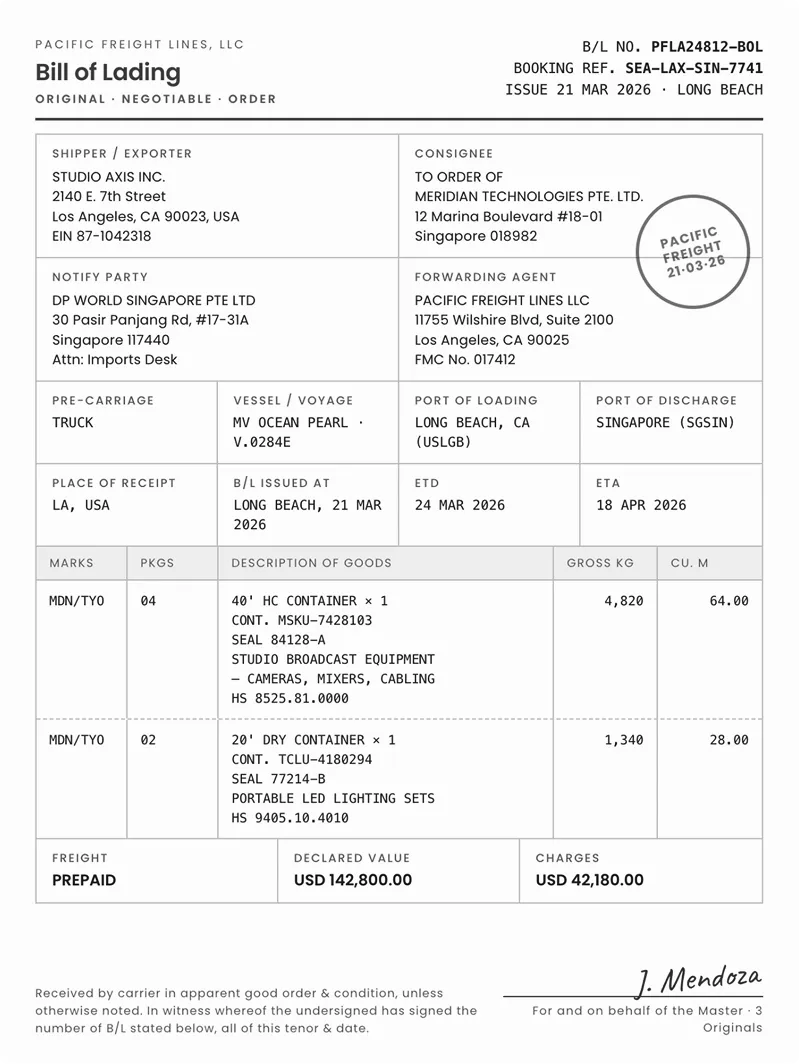
Bills of lading




Common questions
How does automated invoice processing work in a multi-country AP operation?
Automated invoice processing captures structured data from invoices arriving in any format, language, or layout and delivers it into the AP system without manual entry. In a multi-country operation, the challenge is not just volume but variety: different formats per supplier, different languages per country, and different e-invoice mandates per jurisdiction. A capable system handles all of them in a single flow, extracting header fields and line items, validating against purchase orders and delivery notes, connecting to tax authority networks for e-invoice compliance, and feeding verified, audit-ready data into the ERP. Staple AI does this across 300+ languages and 12 countries in one pipeline, with no manual entry step and a full audit trail on every field.
What is three-way matching in invoice processing and why does it matter?
Three-way matching is the process of cross-checking an invoice against its corresponding purchase order and goods receipt note to confirm that what was ordered, received, and billed are consistent at the line-item level. When quantities, prices, or terms do not match, the discrepancy is flagged before payment is approved. Without automated three-way matching, AP teams reconcile these documents manually in spreadsheets, which is the primary source of month-end close delay in high-volume operations. Staple AI performs three-way matching automatically across invoices, POs, and delivery notes, flagging every variance before data reaches the ERP.
Why do template-based OCR tools fail in multi-country invoice processing?
Template-based OCR tools require a pre-configured template for each supplier's invoice layout. When a supplier changes their format, adds a new field, or sends an invoice in a different language, the template breaks and extraction fails. In a multi-country AP operation with hundreds of suppliers across different countries sending invoices in inconsistent formats and languages, maintaining accurate templates is a full-time job that scales with every new supplier added. Context-based extraction reads what a field means rather than where it sits on the page, so accuracy holds regardless of layout variation, language, or document type. Staple AI uses context-based extraction across all invoice formats, eliminating the need for per-supplier template configuration.
How do enterprises handle e-invoice compliance alongside paper invoice processing without a separate tool for every country?
E-invoice mandates require invoices to be submitted to and validated by a government tax authority before they are legally recognised as a transaction. Each country has its own mandate, its own tax authority network, and its own submission protocol: Singapore uses InvoiceNow, Malaysia uses MyInvois, India uses IRP, and requirements differ further across France, Germany, Poland, and the UAE. Managing these separately requires country-specific integrations and ongoing compliance maintenance every time regulations change. A unified invoice processing platform connects to all relevant tax authority networks while handling paper and PDF invoices in the same flow, so every invoice type is processed, validated, and reconciled in one place. Staple AI covers e-invoice compliance across 12 countries alongside paper and PDF invoices with no separate tool per mandate.
What does an audit-ready invoice processing system actually require?
An audit-ready invoice processing system must produce more than accurate data. It must be able to demonstrate, for every extracted field, exactly where the figure came from, which model version extracted it, what confidence score it carried, who reviewed it, and when it was processed. This processing history must travel with the output and be cryptographically sealed so that any unauthorised change after the fact is immediately visible. When a payment is disputed, a line item is questioned, or a regulator asks why a figure in the ERP differs from the original invoice, the answer must already be in the data. Staple AI enforces this at the field level across every invoice it processes, making the audit trail a property of the output rather than something reconstructed from email threads and shared drives after the fact.
What is the difference between invoice data extraction and invoice data verification?
Invoice data extraction converts the content of an invoice into structured digital fields: vendor name, invoice number, line items, quantities, unit prices, and totals. Extraction answers the question of what the document says. Invoice data verification checks whether what was extracted is accurate, consistent, and trustworthy. Verification answers the question of whether the data can be relied upon. It includes AI contextual checks that understand the meaning of each transaction, cross-source reconciliation against purchase orders and delivery notes, business rules that flag anomalies against your thresholds, and external validation against tax authorities for e-invoices. Most invoice processing tools stop at extraction. Without verification, extracted data can contain errors, falsified figures, or inconsistencies that only surface during an audit or a disputed payment. Staple AI performs both extraction and verification in a single pipeline before data reaches the ERP.
How does Staple AI integrate with ERP systems like SAP, Oracle, and Concur?
Staple AI connects to existing ERP and AP systems via three pre-built SAP modules and a native API. No middleware is required and no custom development is needed on the ERP side. Verified invoice data is delivered into SAP, Oracle, Concur, Coupa, and Yonyou in the structured format each system expects, eliminating the manual entry step that sits between document receipt and ERP input. The existing AP workflow stays in place. Staple AI sits at the front end of that workflow, handling the document intake and data preparation step that ERP systems were never built to perform. For enterprises running multiple ERP instances across countries, Staple AI feeds each system from a single extraction and verification pipeline.
How long does implementing automated invoice processing typically take?
Implementation timelines for automated invoice processing depend on the complexity of the existing AP stack, the number of ERP systems that need to receive data, and the volume and variety of invoice types in scope. For enterprises connecting Staple AI to a single ERP instance, most implementations go live within weeks. For multi-country operations involving multiple ERP systems, e-invoice mandates across jurisdictions, and high document variety, a phased implementation approach is standard: one country or entity goes live first, the configuration is validated against real documents, and additional markets are added progressively. No workflow upheaval is required. Staple AI slots into the existing document intake process as the extraction and verification layer, without replacing the systems downstream.
See how much of your invoice processing runs without manual entry.
Book a 30-minute demo. Bring your own invoices and we will show you how Staple works on your documents, across your languages, into your systems.