
File Lifecycle Management
Manage sensitive files with built-in retention and residency controls
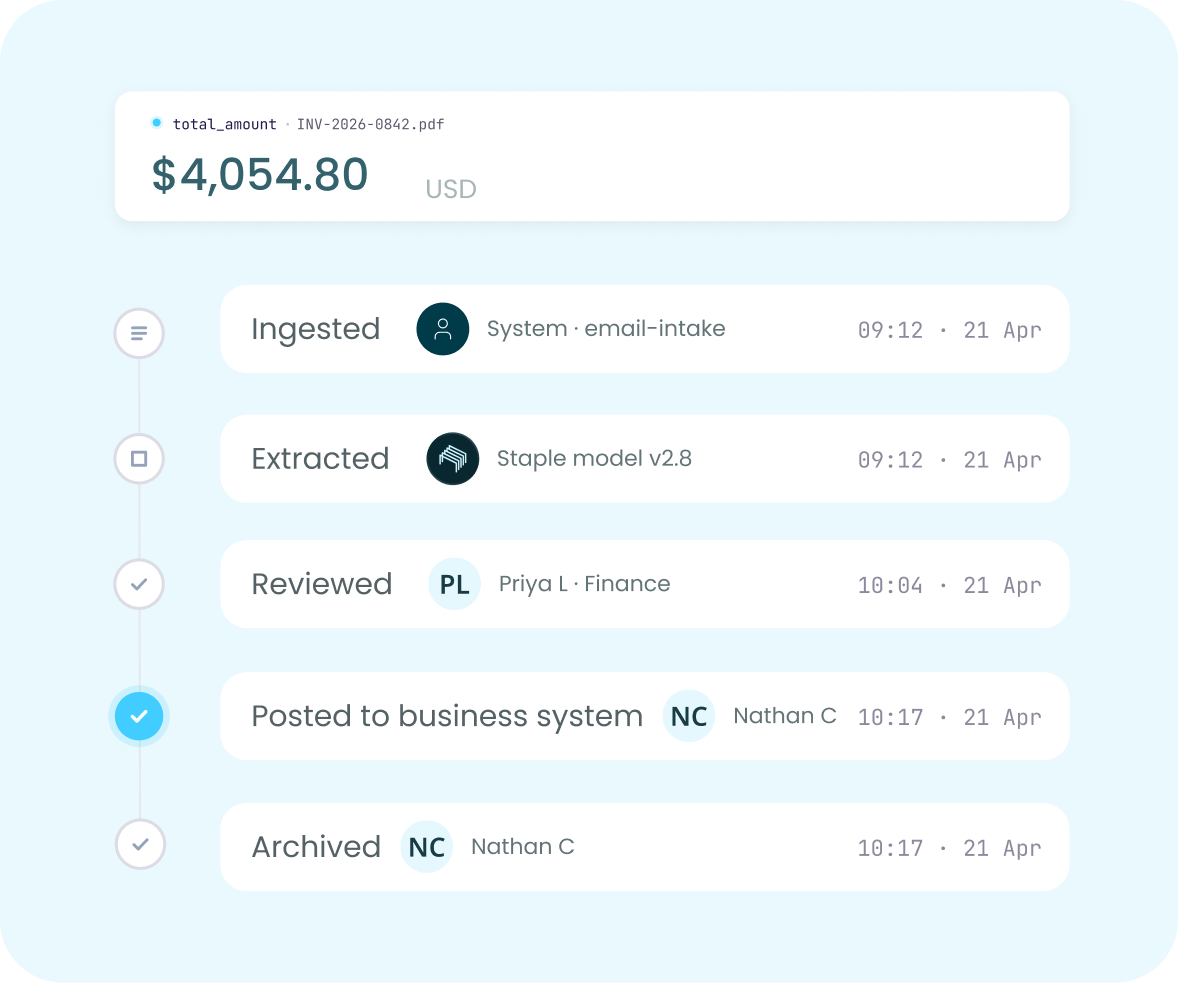
A document doesn't stop being a risk once its data is extracted. Staple governs each source file across its whole life, who could access it, how long it's kept, where it lives, and when it's removed, with every material action recorded for audit.
Extraction ends, but the file's risk doesn't
Once the data is pulled, the source document is usually forgotten, left sitting in a drive, accessible to anyone, kept forever, and moved across borders without anyone tracking it.
For a regulated enterprise that's a live exposure: a sensitive file with no access rules, no retention limit, and no record of who touched it is exactly what fails an audit.
The data got processed; the document became a liability.
How Staple governs a file's life
Lifecycle Stages
From receipt to disposal, one controlled path.
Every file moves through defined stages: received, prepared, processed, reviewed, exported, archived, and disposed. Each stage has clear rules, so a sensitive document is never sitting in an undefined state, and you always know where in its life any file currently is.
Access Controls
Who can touch a file, and who can't.
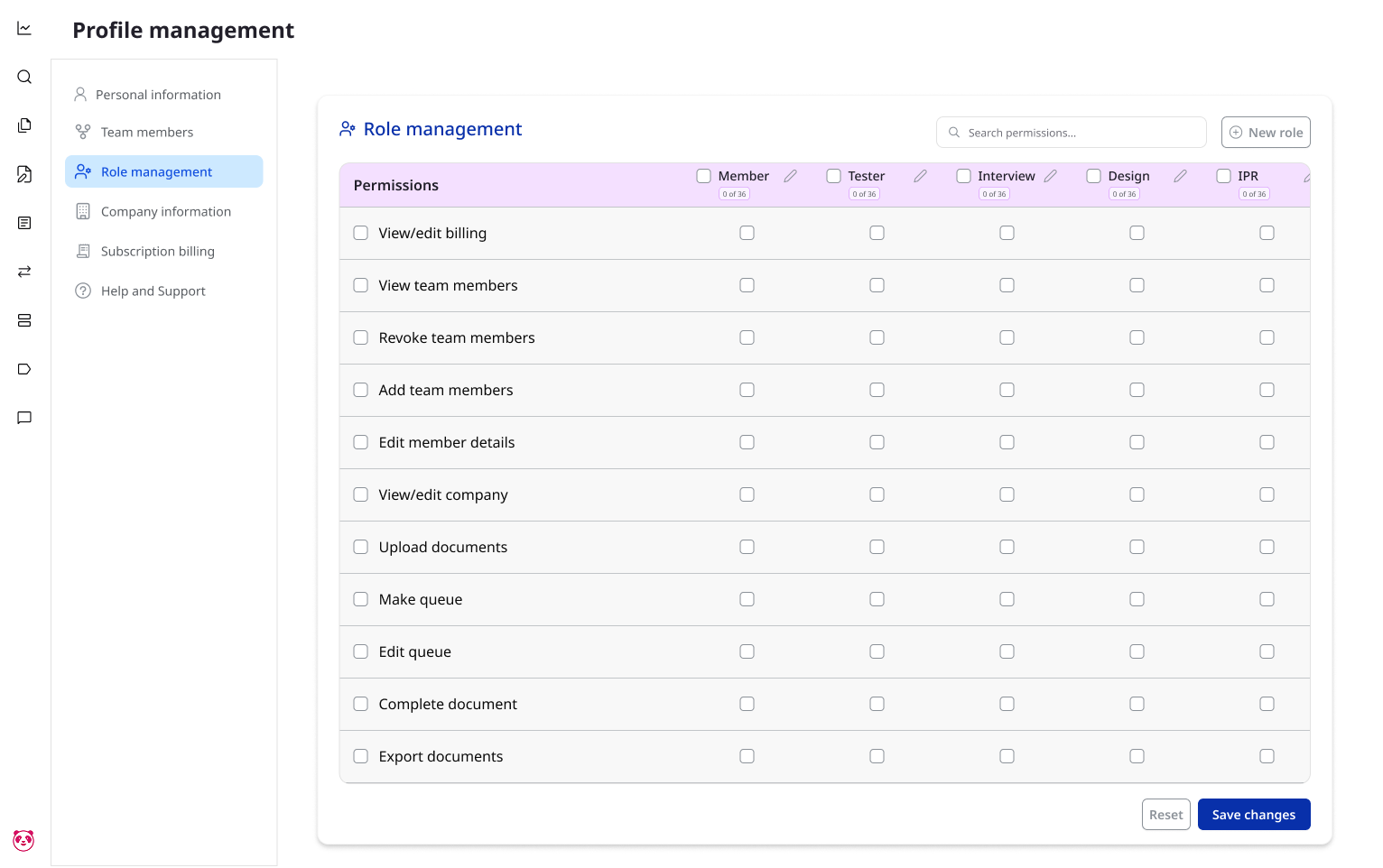
Access is governed by role, environment, and separation of duties.
The people who can view a raw source file, the people who can export it, and the people who can approve its data are defined and enforced, so sensitive documents aren't open to everyone with a login.
Retention and Residency
Keep what you must, where you must, delete the rest.
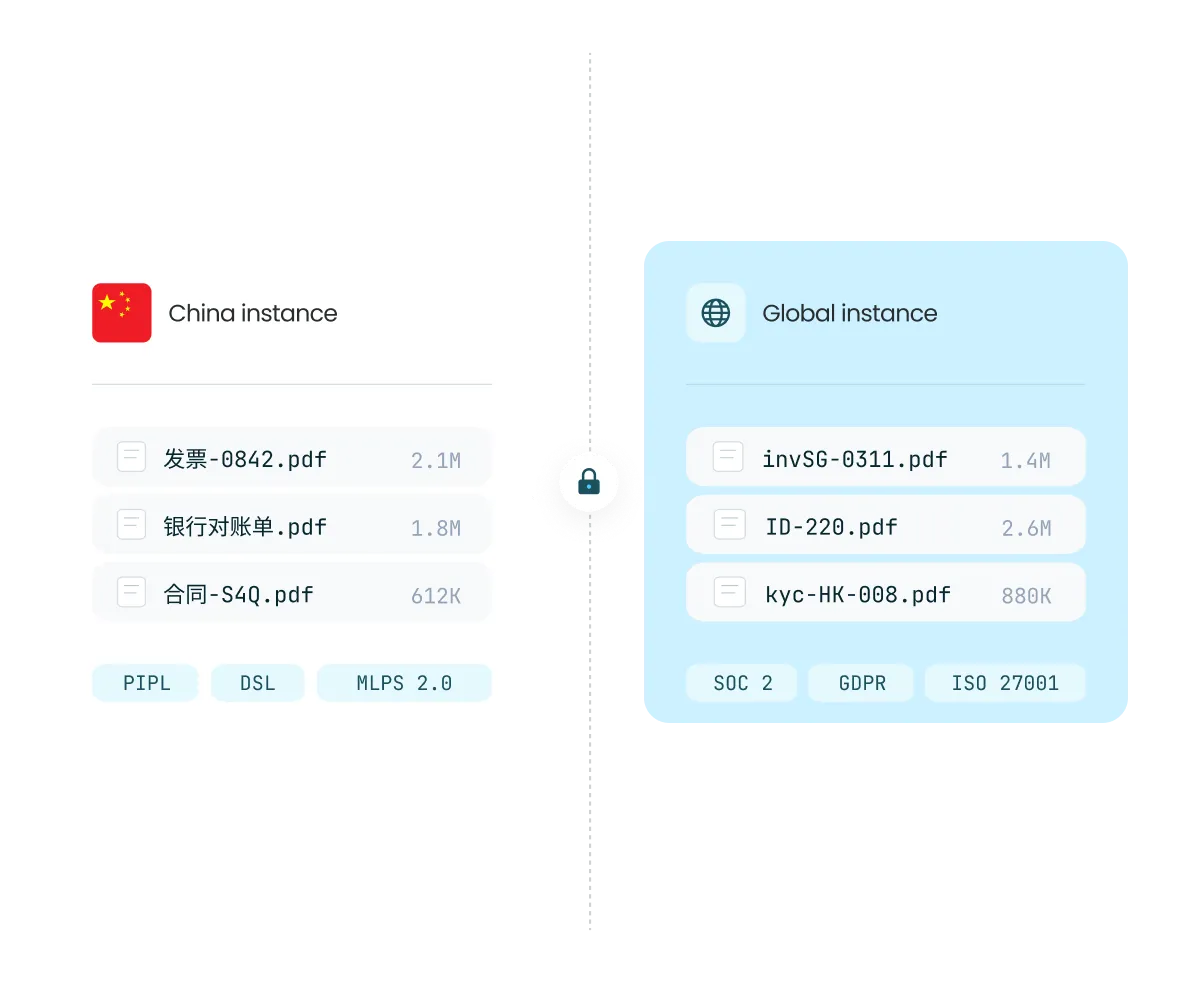
Retention and residency policies are configurable by data type and jurisdiction.
Documents subject to one country's rules can be held and stored differently from another's, and files are removed automatically when their retention period ends, rather than lingering indefinitely.
Redaction and Controlled Export
Strip sensitive data before it leaves.
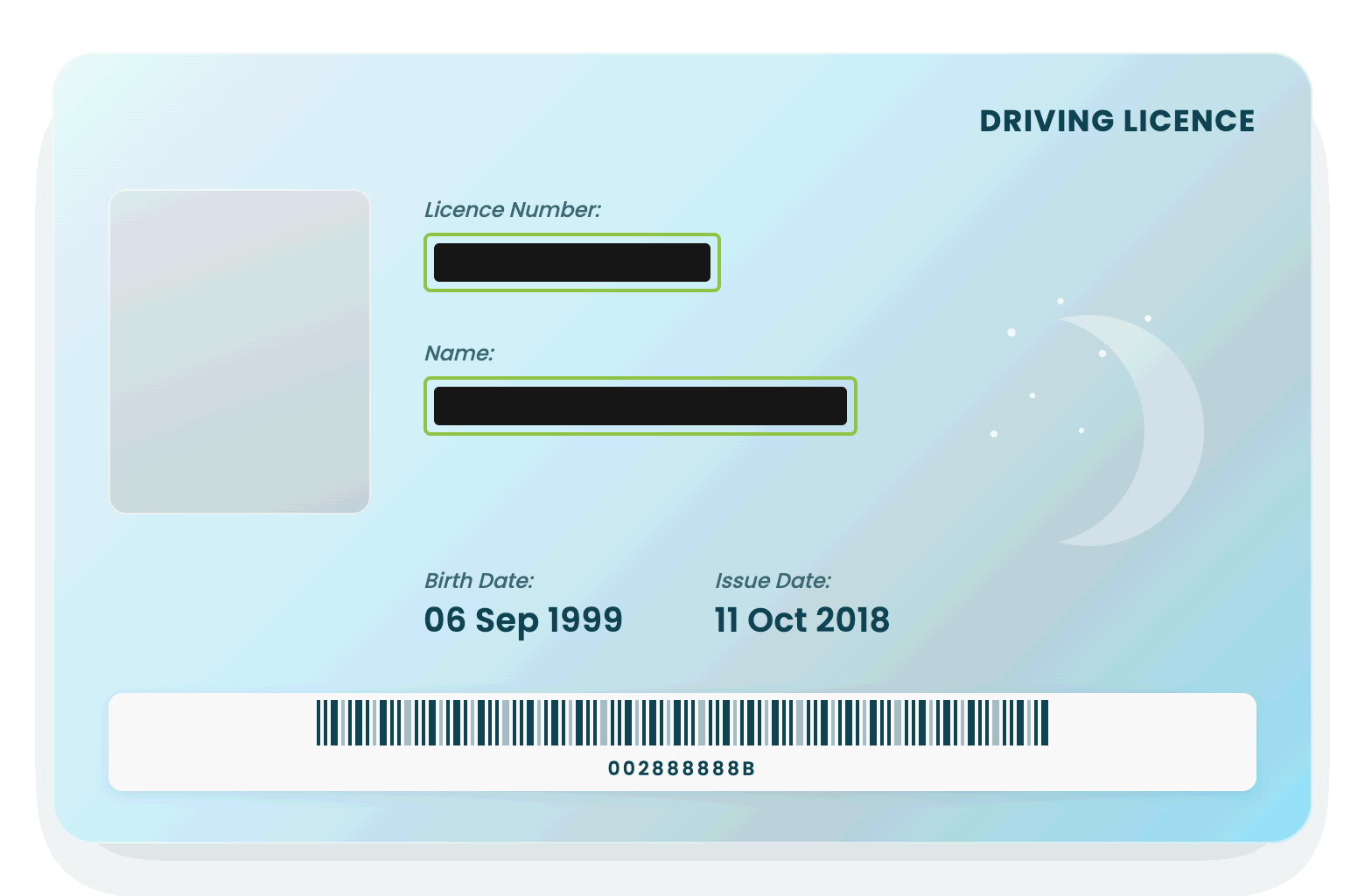
Before a document or its data is delivered downstream, Staple can redact sensitive information, so personal or payment data never travels further than it needs to. Export is controlled, not automatic, according to the rules you set.



Ingestion & Pre-processing
Accept documents from any channel and clean them for processing before governance begins.

Classification & Splitting
Turn mixed submissions into correctly identified document sets automatically.

Document Tampering Detection
Catch forged or altered files at intake with metadata and pixel-level forensic checks.
See how Staple governs your sensitive files.
Book a 30-minute demo. We'll show you access controls, retention, redaction, and the event history on real documents.
FAQ
What is file lifecycle management in Staple?
It is how Staple governs a source document across its entire life: receipt, preparation, processing, review, export, archiving, and disposal. Each stage has defined rules for access, retention, and handling, so sensitive files stay controlled from the moment they arrive to the moment they are deleted.
Is Staple a document management or storage system?
No. Staple governs files during first-mile processing and records what happens to them, but it is not a general content-management or long-term storage system. The focus is control and evidence during processing, not being a repository for your documents.
How does Staple handle data residency across countries?
Retention and residency policies are configurable by data type and jurisdiction. Documents governed by one country's requirements can be stored and retained separately from another's, so a global operation can meet different local rules on the same platform.
Can sensitive information be removed before a document is shared downstream?
Yes. Staple can redact sensitive data, such as personal or payment information, before export, and export itself is controlled by policy rather than automatic. Sensitive content never travels further downstream than your rules allow.
What actions does the event history record?
Staple records every material action taken on a file, including when it was received, accessed, exported, redacted, and disposed of. This provides an audit trail of how each document was governed, so file handling itself is fully accountable.