
Privacy and Control
Govern sensitive data before it ever leaves the processing layer.
Documents carry data that laws in every market restrict. Staple redacts what shouldn't travel, keeps data inside the borders it belongs to, and controls who can see it, all before information leaves the first mile. Configurable controls that support your regulatory obligations, with the evidence to prove it.
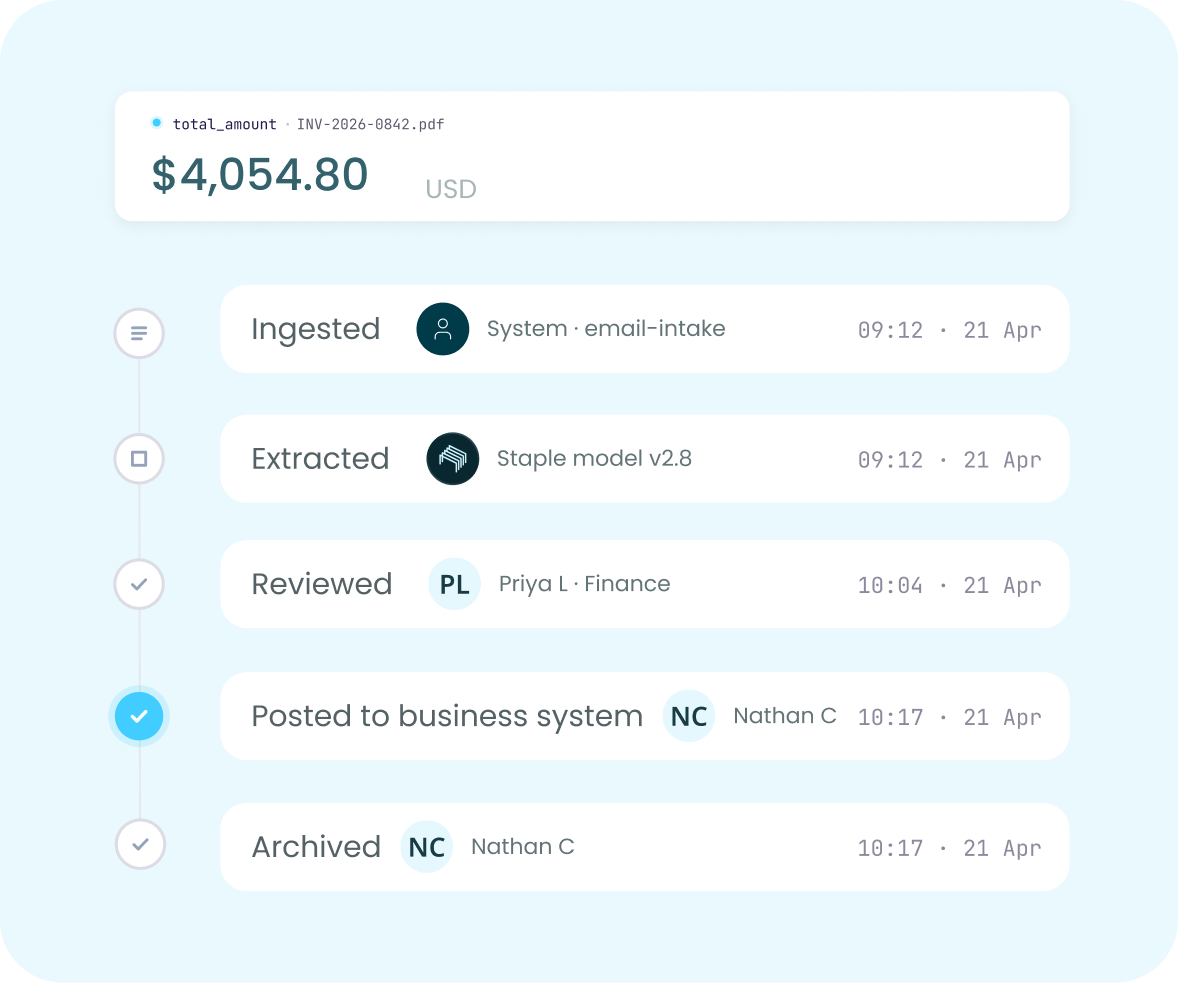
The risk isn't just extracting the data.
It's everything that happens to it next.
Once sensitive data is pulled from a document, it moves: across systems, across teams, sometimes across borders.
Each hop is governed by a different rule, GDPR here, PDPA there, data-localisation law somewhere else, and a single misrouted file can become a reportable breach.
Controlling this after the fact is impossible. It has to be governed at the point of processing.
How Staple Governs Sensitive Data
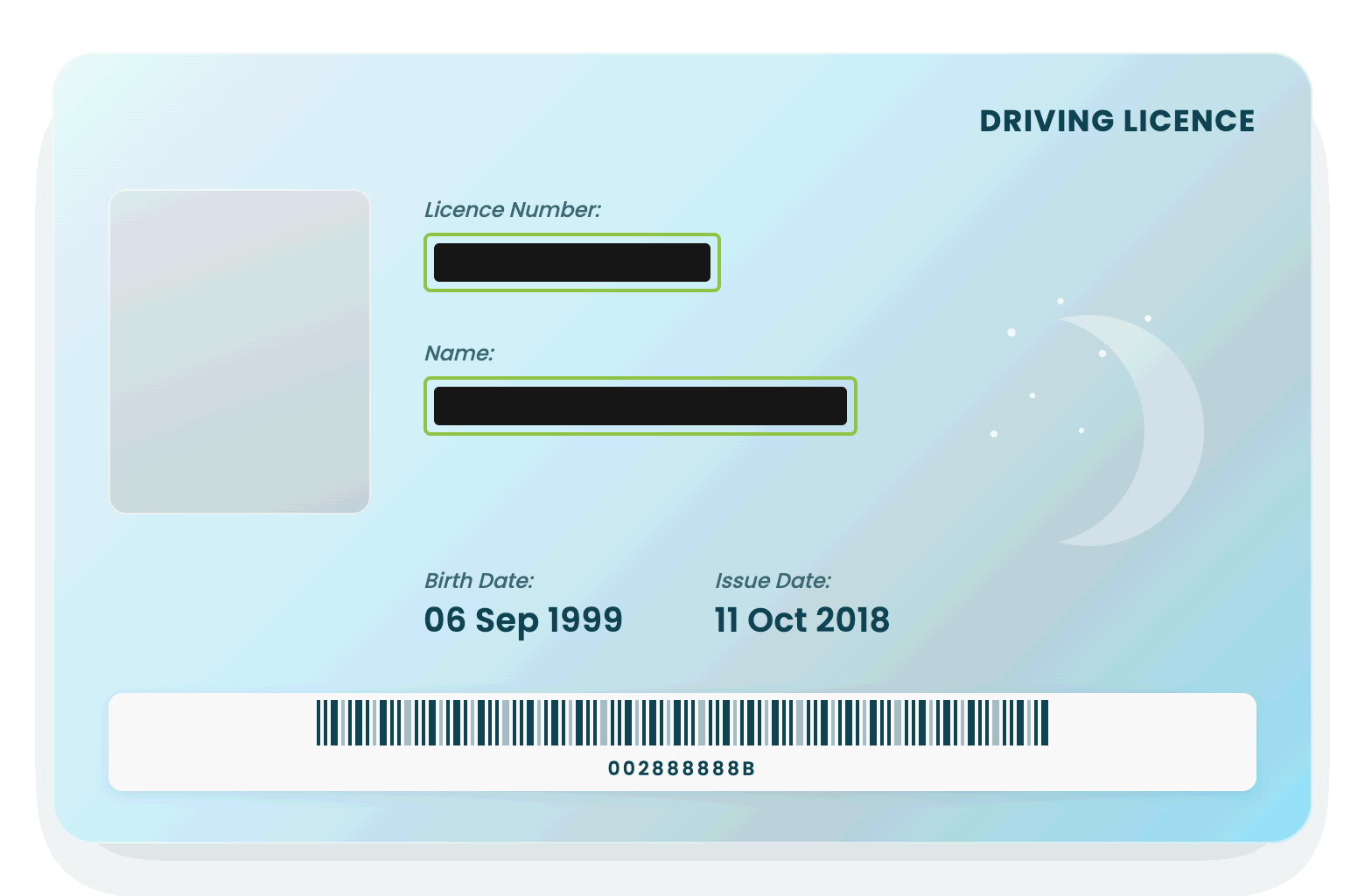
Field-Level Redaction
PII Detection, Masking, and Redaction Before Export.
Staple detects personal and sensitive data, such as payment card numbers, and redacts or masks it before anything is exported.
The redacted output removes those values entirely, applied through the interface or an API, so sensitive information never leaves the processing layer in a form it shouldn't.
Residency and Cross-Border Transfer Controls
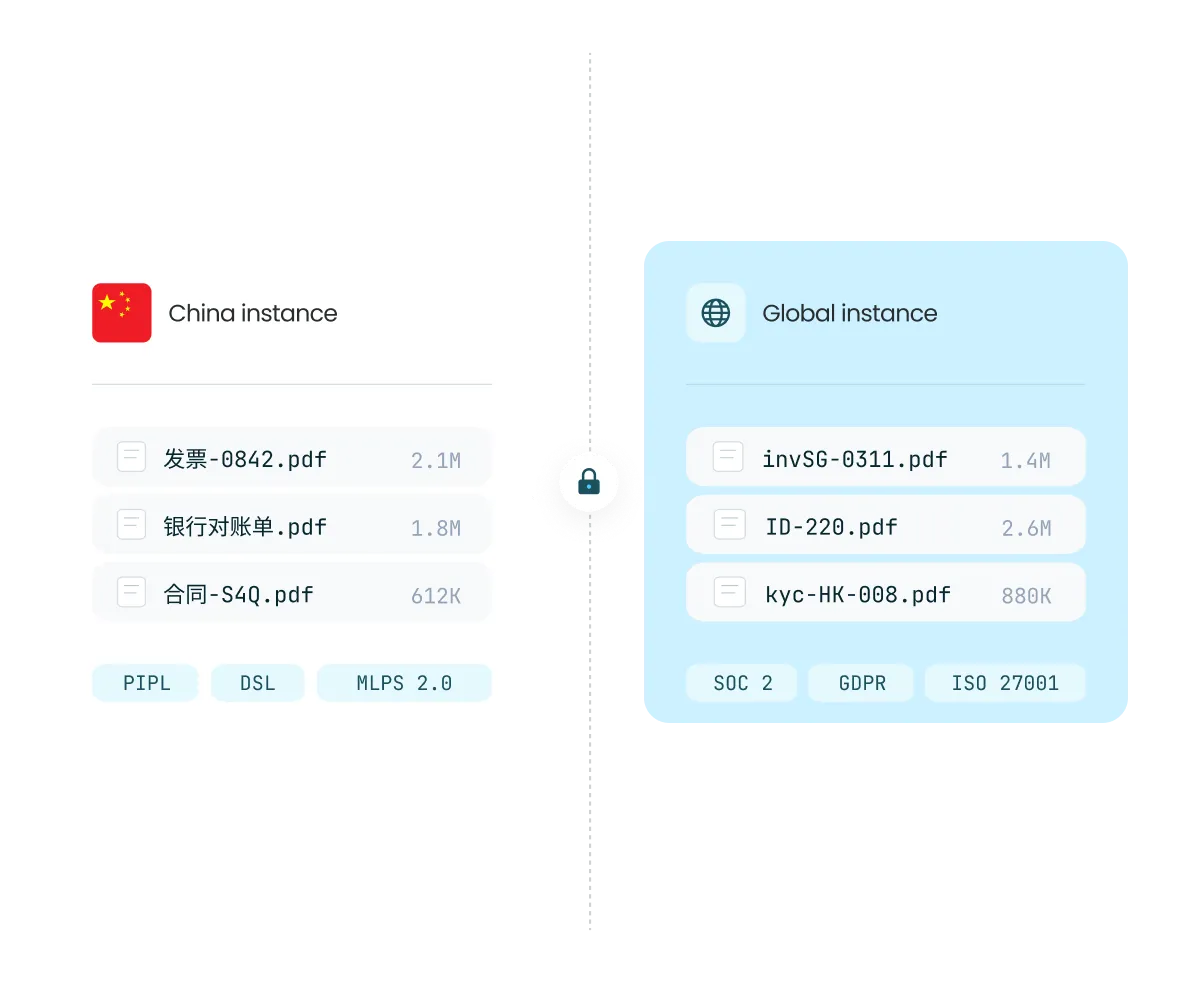
Staple runs separate regional environments, including Singapore, the EU, the US, and China.
Residency is enforced at the egress boundary: data tagged to a region is physically blocked from leaving it, so China-tagged documents cannot cross out of the China region.
Residency is built into the infrastructure, not offered as a setting or a promise in a contract.
Role-Based Access Controls
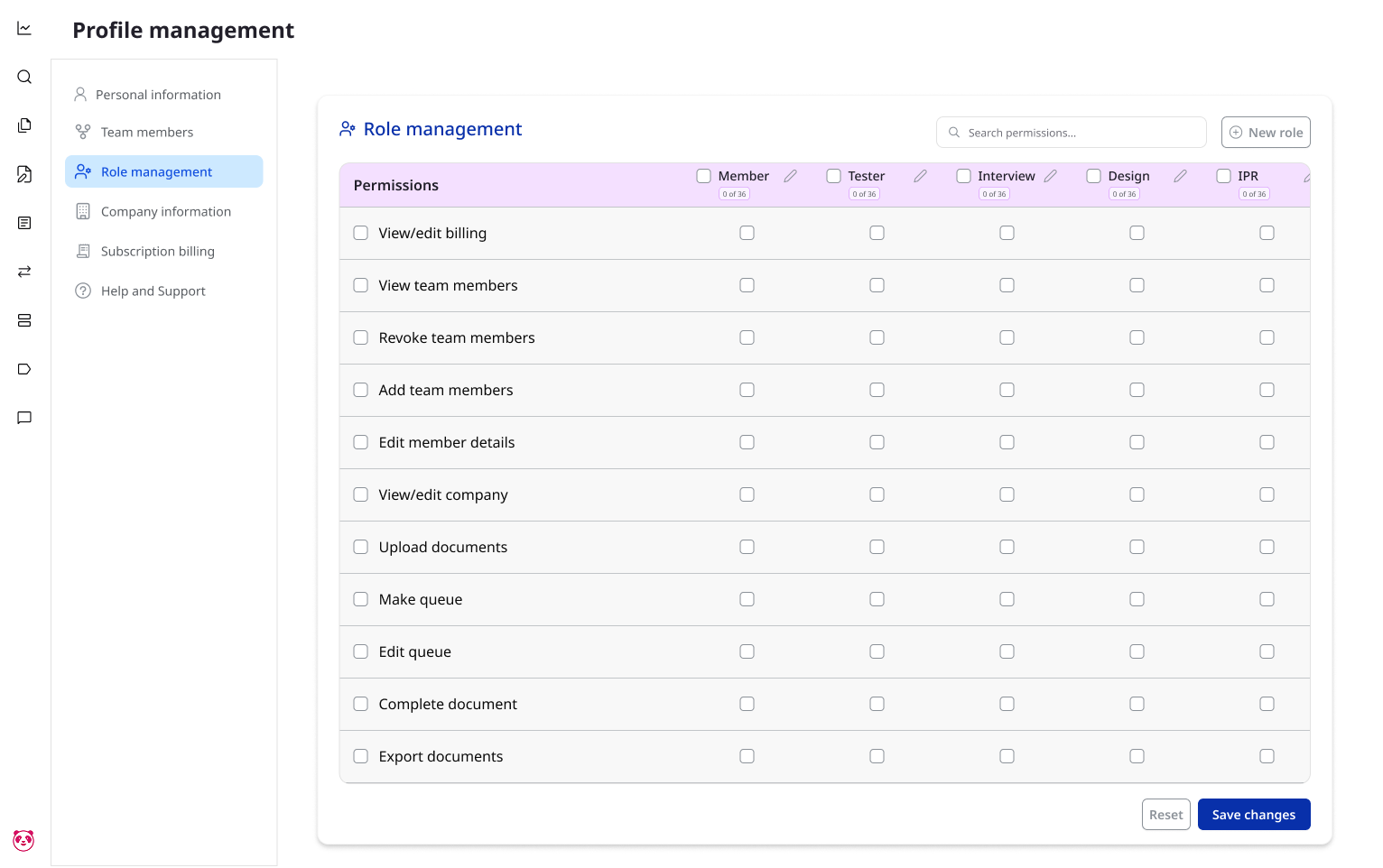
Control who can see and do what.
Role-based access governs who can view raw documents, who can reach search, and which documents each user can access, including roles that restrict a user to only the documents they uploaded.
Access follows least-privilege by default, so sensitive data isn't open to everyone with a login.
Retention and Selective Disclosure
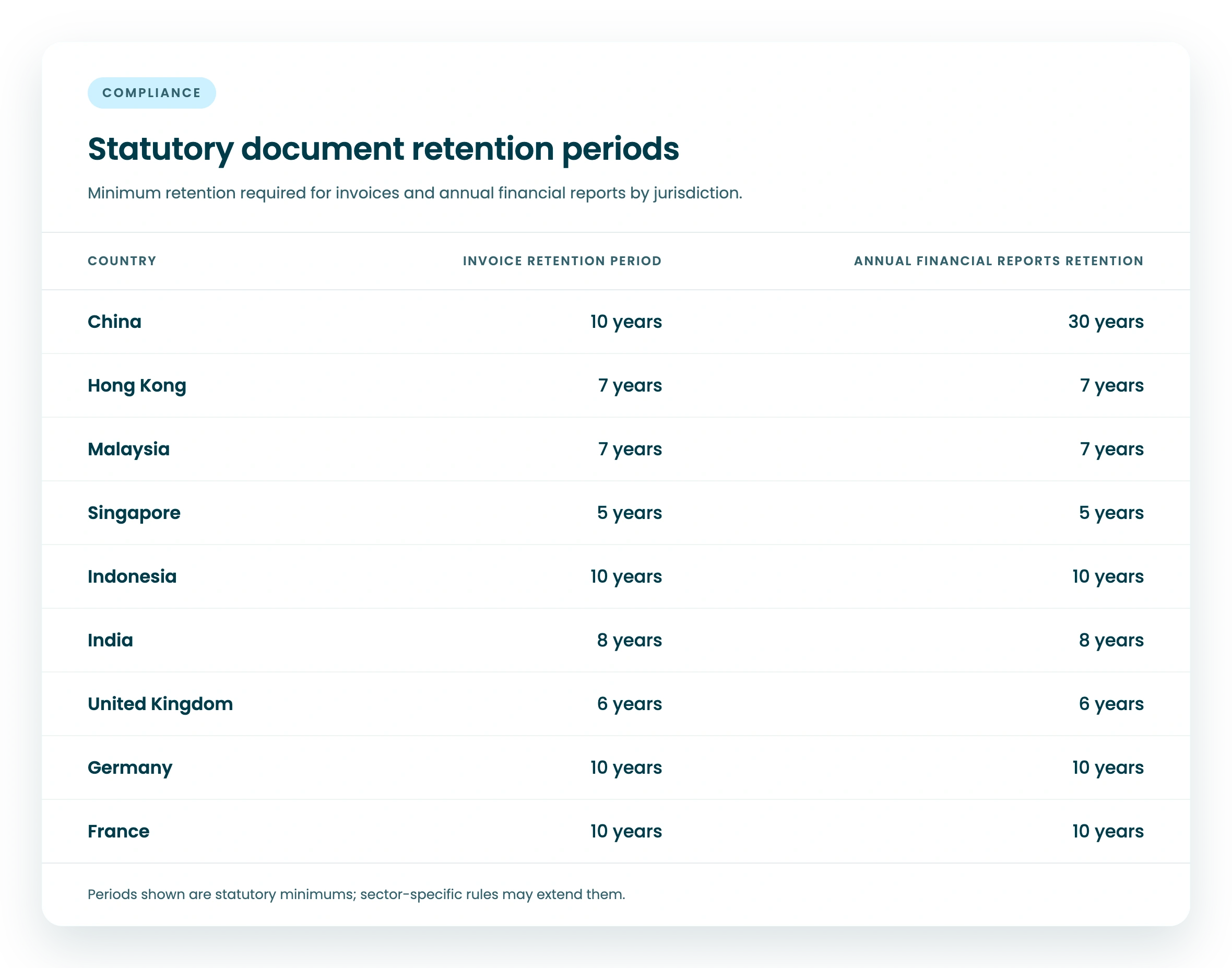
Retention rules govern how long data is kept before it is removed, rather than letting documents linger indefinitely.
Combined with access controls, this supports selective disclosure, so data is available to the right people for as long as it should be, and no longer.
Regulatory Control Support
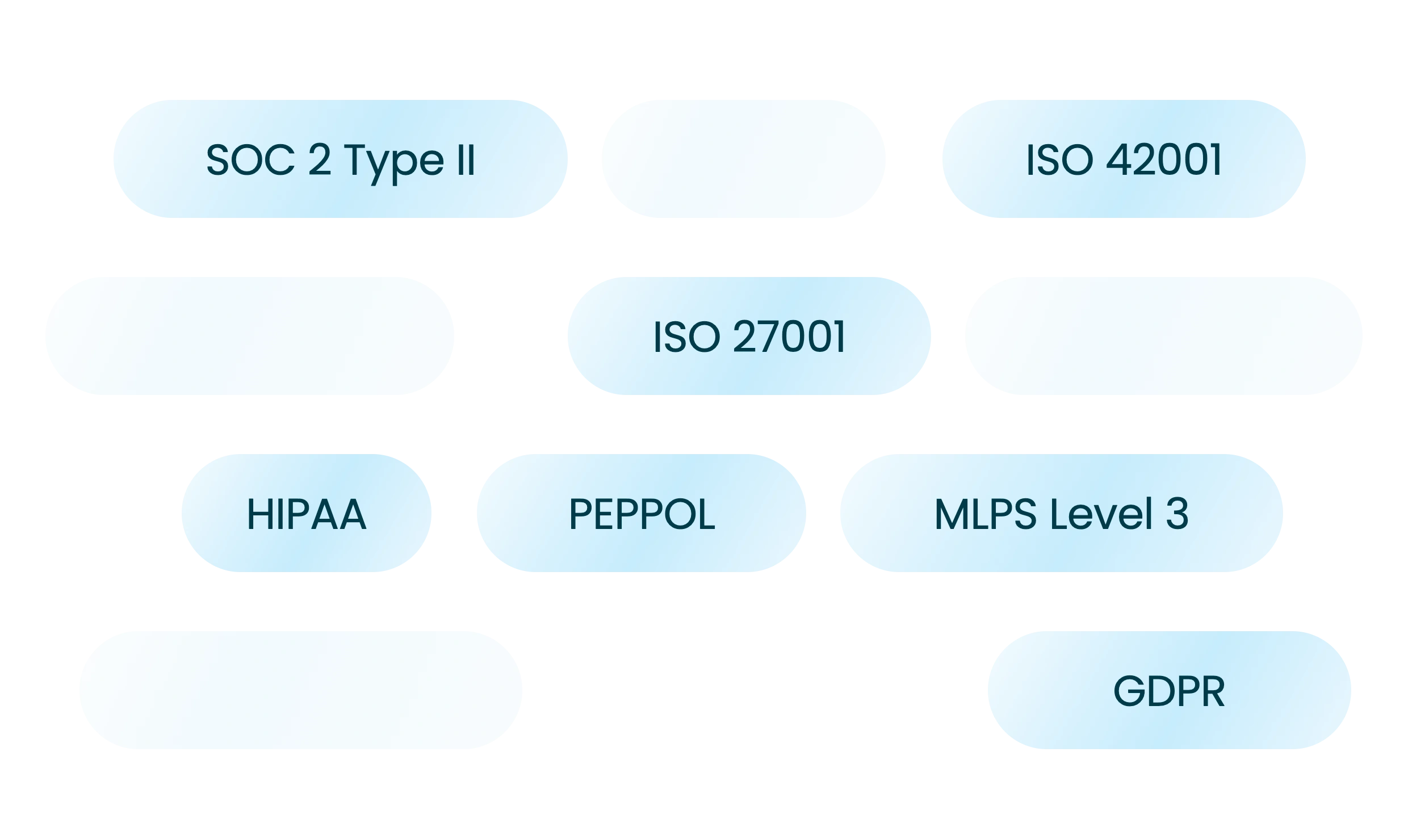
These controls map to the obligations enterprises answer to, including GDPR, MLPS Level 3, PDPA, AML, and PCI DSS.
To be precise: Staple provides the controls and the evidence that support compliance with these regimes.
It does not replace your legal judgment or make an organisation automatically compliant. It gives your compliance teams the mechanisms to meet their obligations and prove they did.


See these controls run on your own documents.
Book a 30-minute demo. Bring documents with sensitive data and residency requirements, and we'll show redaction and region-locked handling live.
FAQ
What privacy and regulatory controls does Staple provide?
Staple detects and redacts PII before export, enforces data residency and cross-border transfer rules, and applies retention, role-based access, and selective-disclosure controls. These are configurable controls that support regulatory obligations such as GDPR, PDPA, AML, and PCI DSS, rather than a claim of automatic legal compliance.
How does Staple enforce data residency?
Staple runs separate regional environments, including Singapore, the EU, the US, and China. Residency is enforced at the egress boundary, so data tagged to a region, such as China-tagged documents, is physically blocked from leaving that region. Residency is an infrastructure control, not a configuration flag or a contractual clause.
Can sensitive data be removed before it is shared downstream?
Yes. Staple detects PII and sensitive values such as payment card numbers and redacts them before export, producing a redacted output where those values are removed. Redaction can be applied in the interface or through an API, so sensitive data never travels further downstream than your policy allows.
How is access to sensitive data controlled?
Role-based access controls govern who can see raw documents, who can access search, and which documents a user can view, including roles that limit users to only the documents they uploaded. Combined with retention rules and a full audit trail, this supports selective disclosure and least-privilege access.
Does Staple guarantee legal compliance?
No, and it is important to be precise. Staple provides configurable controls that support your compliance obligations under regimes such as GDPR, PDPA, AML, and PCI DSS. It does not replace your legal and compliance judgment or automatically make an organisation compliant; it gives you the controls and evidence to meet those obligations.