
Bankers, insurers, lenders
Automate KYC and KYB document verification
Verify proof of identity (POI), proof of address (POA), source of funds (SOF), source of wealth (SOW), company records, balance sheets, ownership and step in only to handle exceptions. Intelligent document processing for KYC & KYB
Why KYC and KYB checks break down in the first mile of data processing
Customer due diligence (CDD) for KYC and KYB runs on documents you have little control over as they are from parties outside your organisation. So, you start checking them. But manually? That consumes a lot of time. With AI? Can you trust its decision?

Document
A perfect PDF can be a beautiful fake!
IDs and documents like bank statements with 100s of line items, can be altered or even be generated using AI.

Data
Manual data verification is slow. AI verification is unreliable.
Names, address, ownerships need to match across IDs, proof of address, company records, bank statements. Verifying one application at a time is labour-intensive, with AI it's faster, but can get it wrong with confidence. Risky!

Trust
Audit reconstruction is a painful task.
When an auditor questions an approval, reconstructing the reviewer's action can be hard, but for AI, it might be impossible. Now, that's a huge compliance risk.
Document
Process KYC/KYB docs you can trust
Catch tampered and AI-generated KYC and KYB documents on arrival.
Save reviewers sorting time
Split mixed PDFs into IDs, company documents and bank statements, in 300+ languages.
Data
Reduce follow-up work and onboarding delays
Flag name, address, ownership and income mismatches, and source of wealth declarations without supporting documents.
Make better-informed KYC/ KYB decisions
Validate applicant details against credit bureaus and registries.
Trust
Know who did what and why
Record every action taken by the AI and the reviewer.
Handle audits with confidence
Seal KYC and KYB evidence so any later change can be detected.
How Staple automates KYC and KYB verification
Check every document, extract the data, verify it in context, focus only on exceptions and answer auditors with a full record.
Check the trustworthiness of documents received
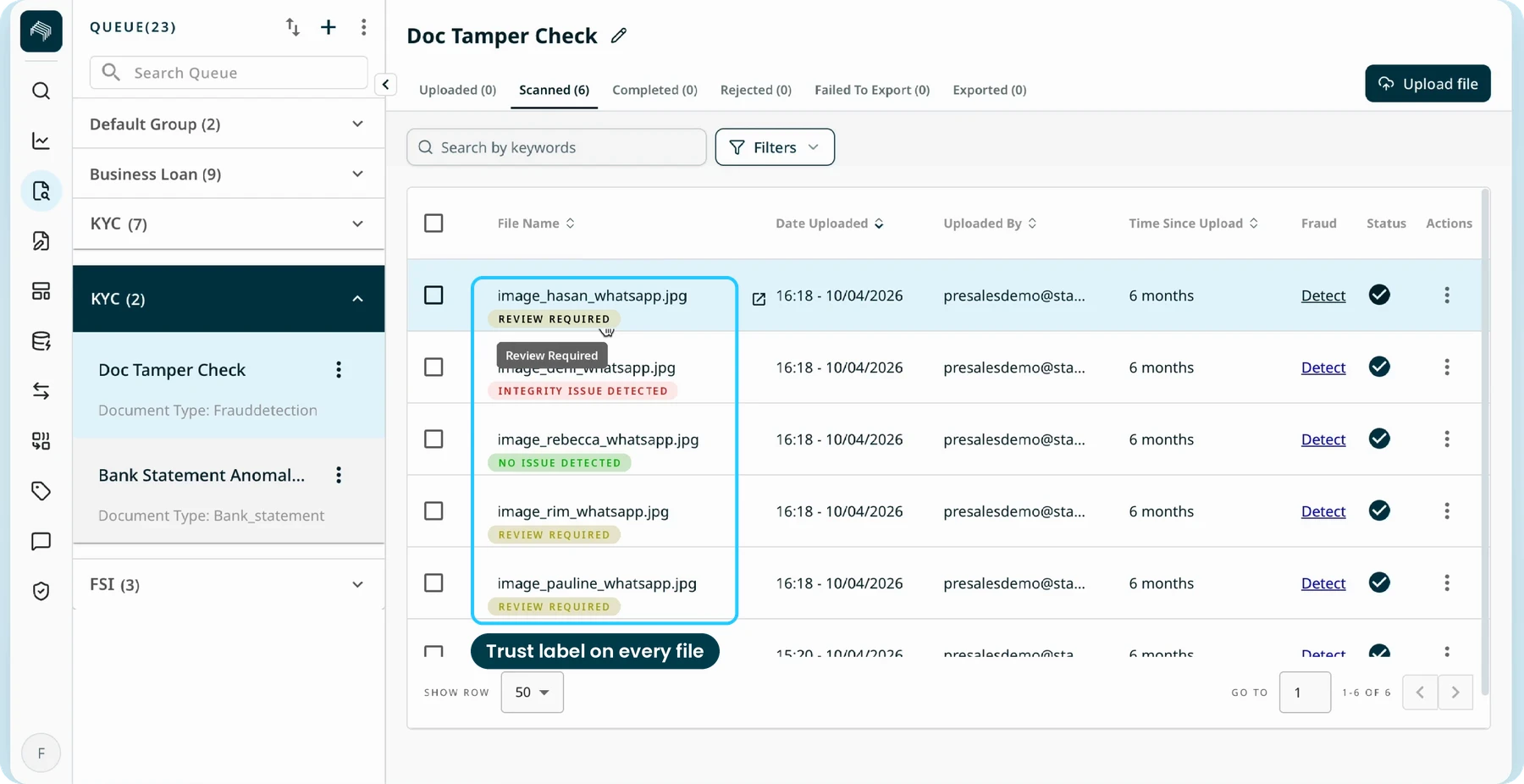
Staple checks each and every file for document tampering and AI-generated content. Reviewers can pick the troubled documents alone for inspection as it tags each document with one of these five labels:
Provenance verified, Review required, No issue detected, Integrity issue detected and Unable to assess.
Fetch docs from any source, classify them and extract data
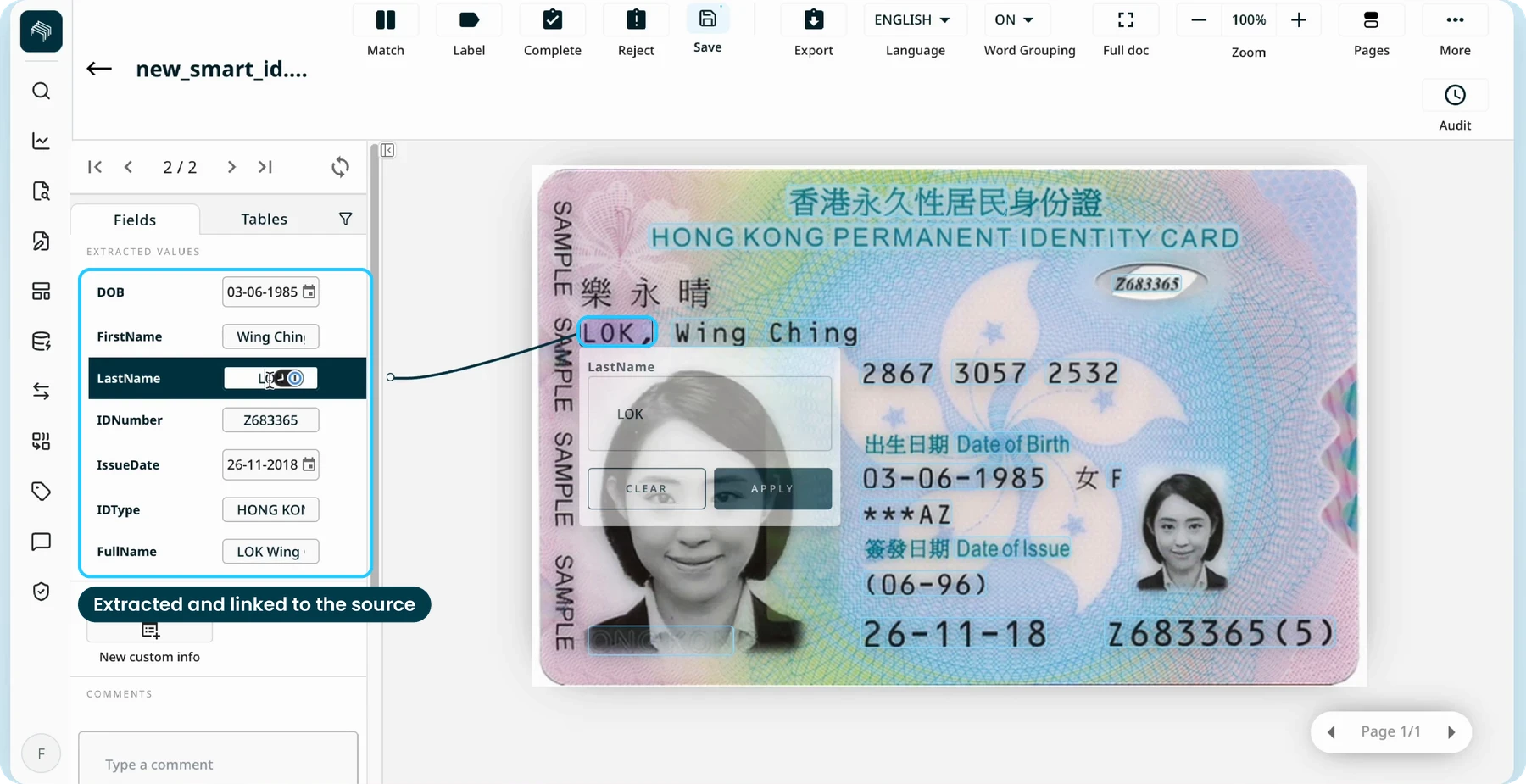
When an applicant sends all identity and address proofs in one pdf, Staple splits them. When KYC/ KYB documents come via a source like email Staple classifies them.
Extract data from documents in any file type or format across 300+ languages, including stamps, handwriting, signatures and even complex tables.
Verify data contextually using AI
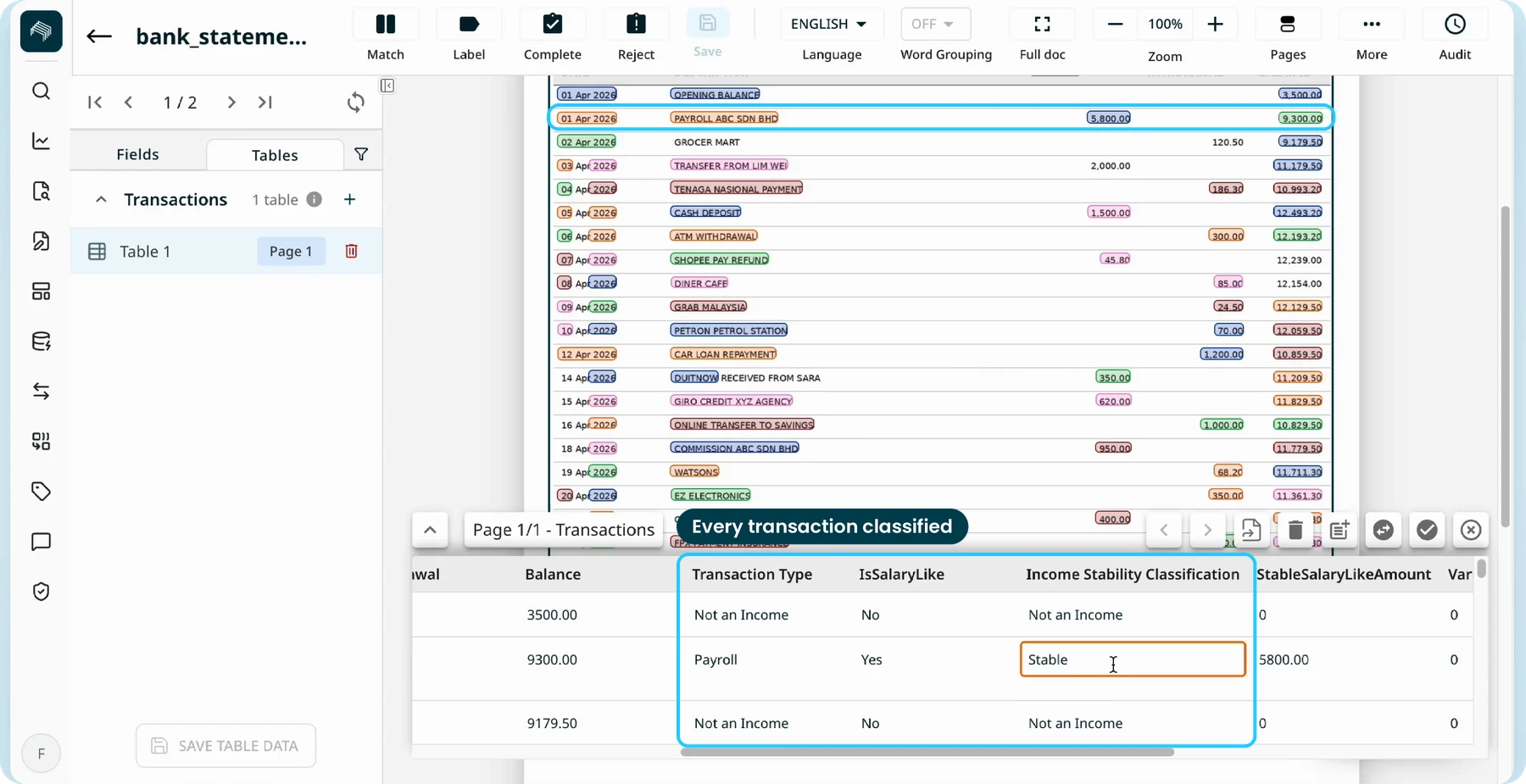
Depending on your review process, Staple can set up any kind of verification and can also identify anomalies like statement totals that don’t match the credit and debit transactions.
Let us take an example: does the applicant have enough recurring income to repay the loan with interest?
To identify that, Staple analyses every transaction in the bank statement and categorises it as income or not. It goes one step further to even analyse whether the income is stable.
Or: does the declared source of wealth match the bank statements and application forms?
Focus only on handling the exceptions. Rest assured!
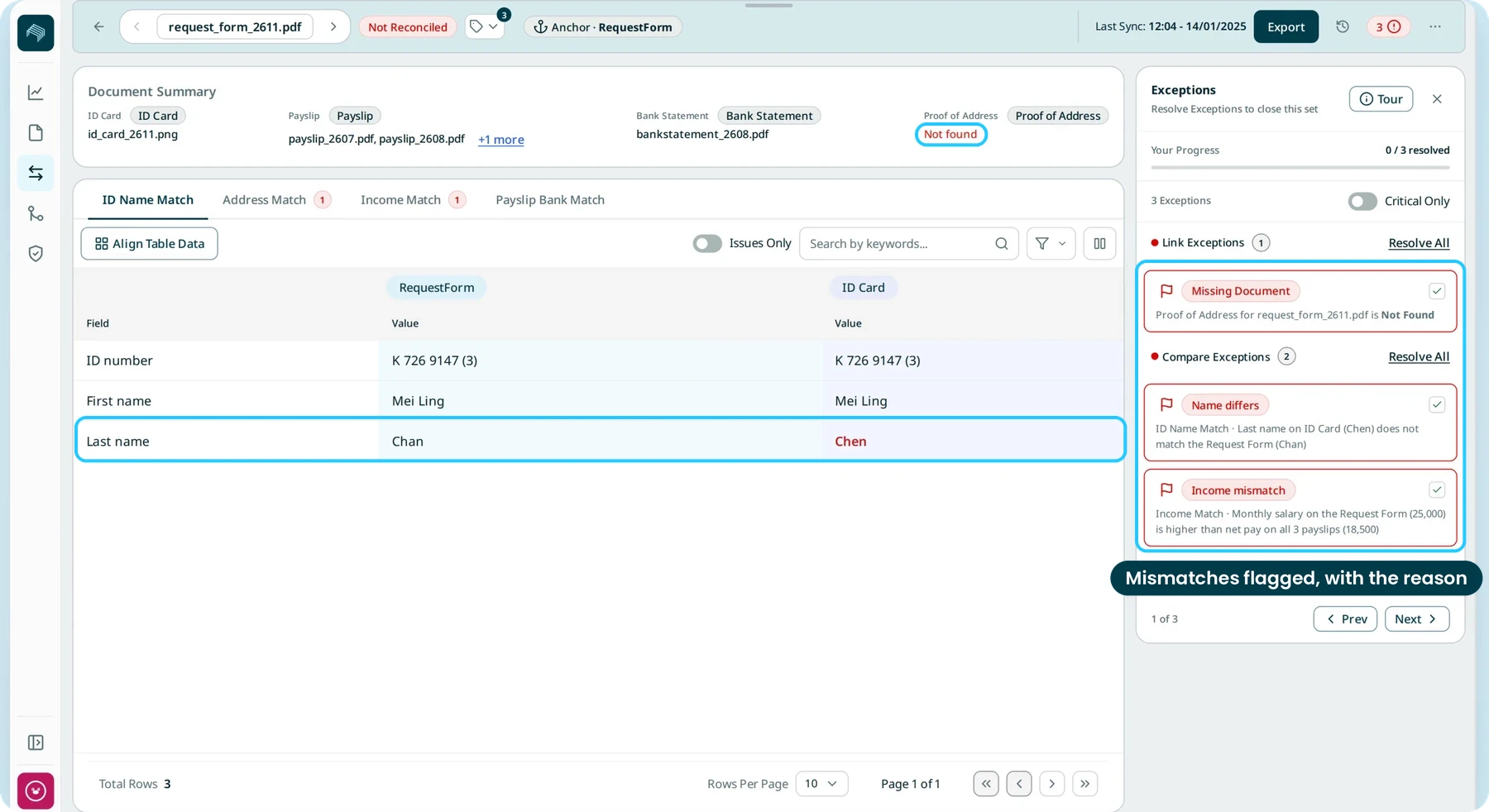
Staple first checks whether the applicant has submitted all the necessary supporting documents.
Next, it cross checks each and every field, from names and DOB against proof of identity (POI), to cash balances in balance sheet and bank statement. You name the checks, Staple runs them for you and flags the exceptions.
Staple integrates with any external sources such as credit bureaus and registries for validation through APIs and webhooks.
And, all of this happens while you sleep.
Answer auditors with data at your fingertips
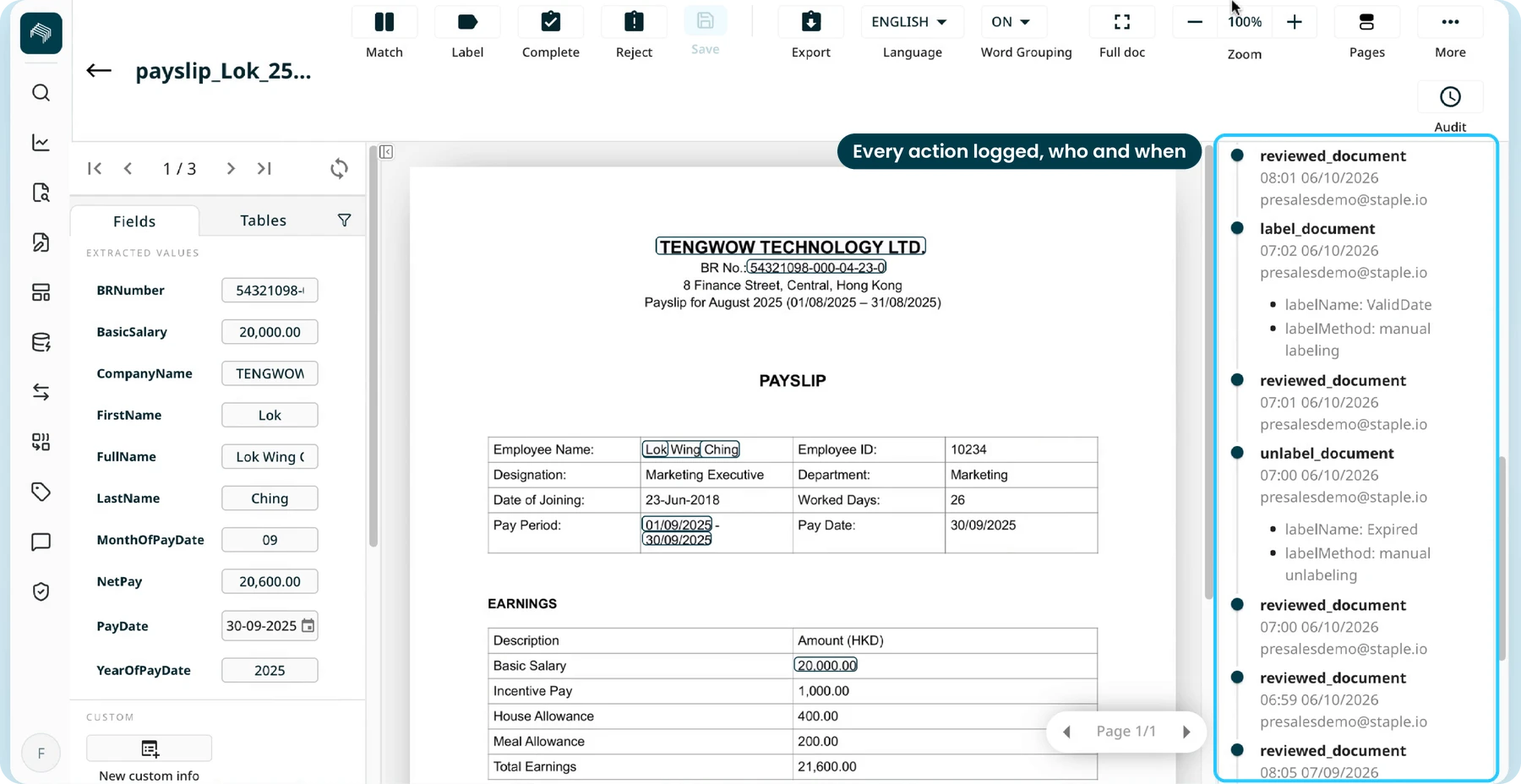
Staple records how every decision was made by the reviewer and the AI during data extraction, reconciliation and every other action, along with changes and timestamps.
It seals every piece of evidence so any later changes can be detected.
With trust, push the verified KYC/ KYB data into your business systems. Now, when an auditor asks, without having to reconstruct any audit trail, you clearly lay out who did what, when and why

KYC and KYB documents Staple checks
These are just a few examples. Staple handles any document and use case your business needs.
Proof of identity
Singapore NRIC
Malaysian MyKad
Thai บัตรประชาชน
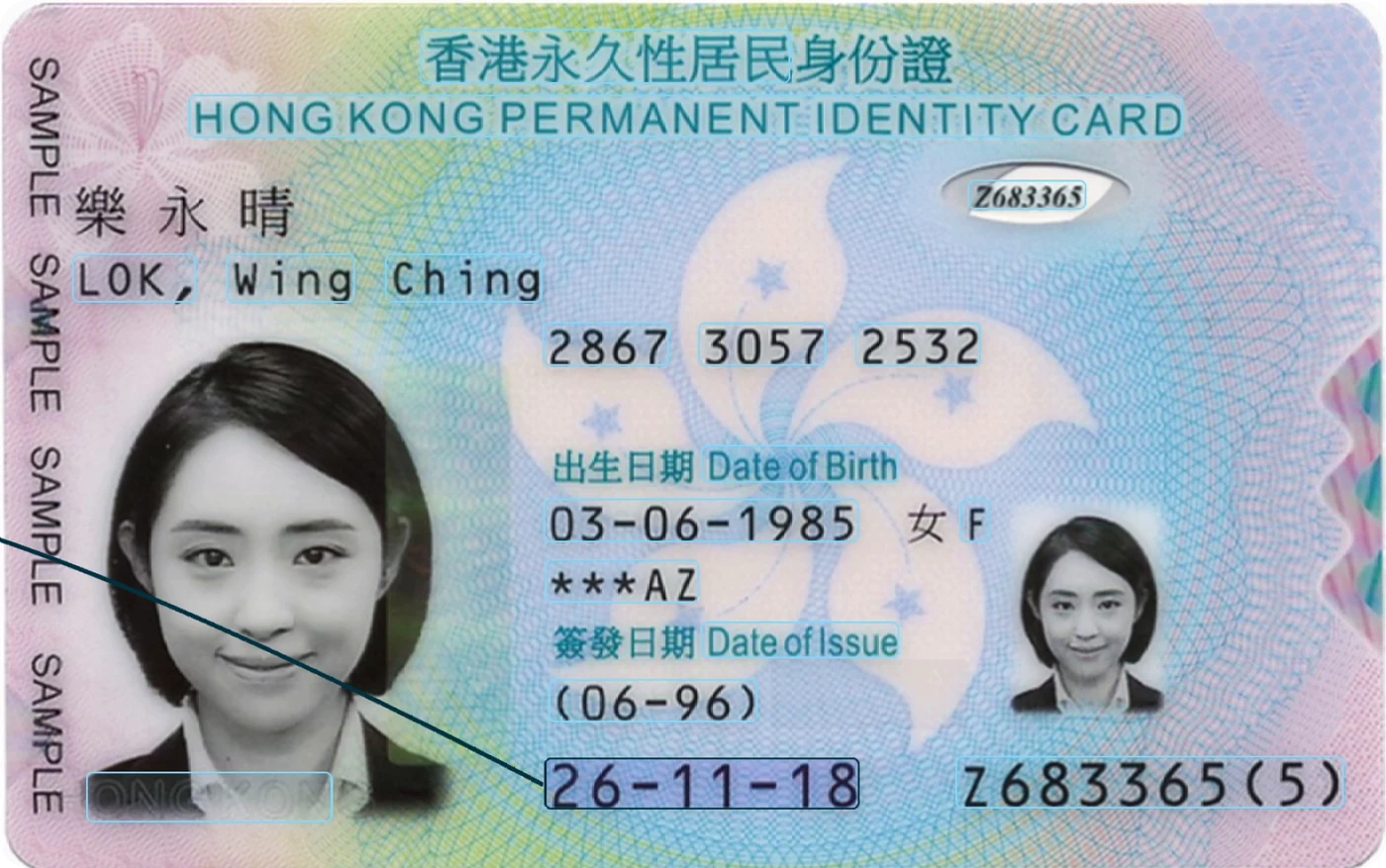
Hong Kong HKID
Chinese 居民身份证
Indonesian KTP
Philippine PSA-issued ID
Vietnamese CCCD
South Korean 주민등록증
Passports
Proof of address
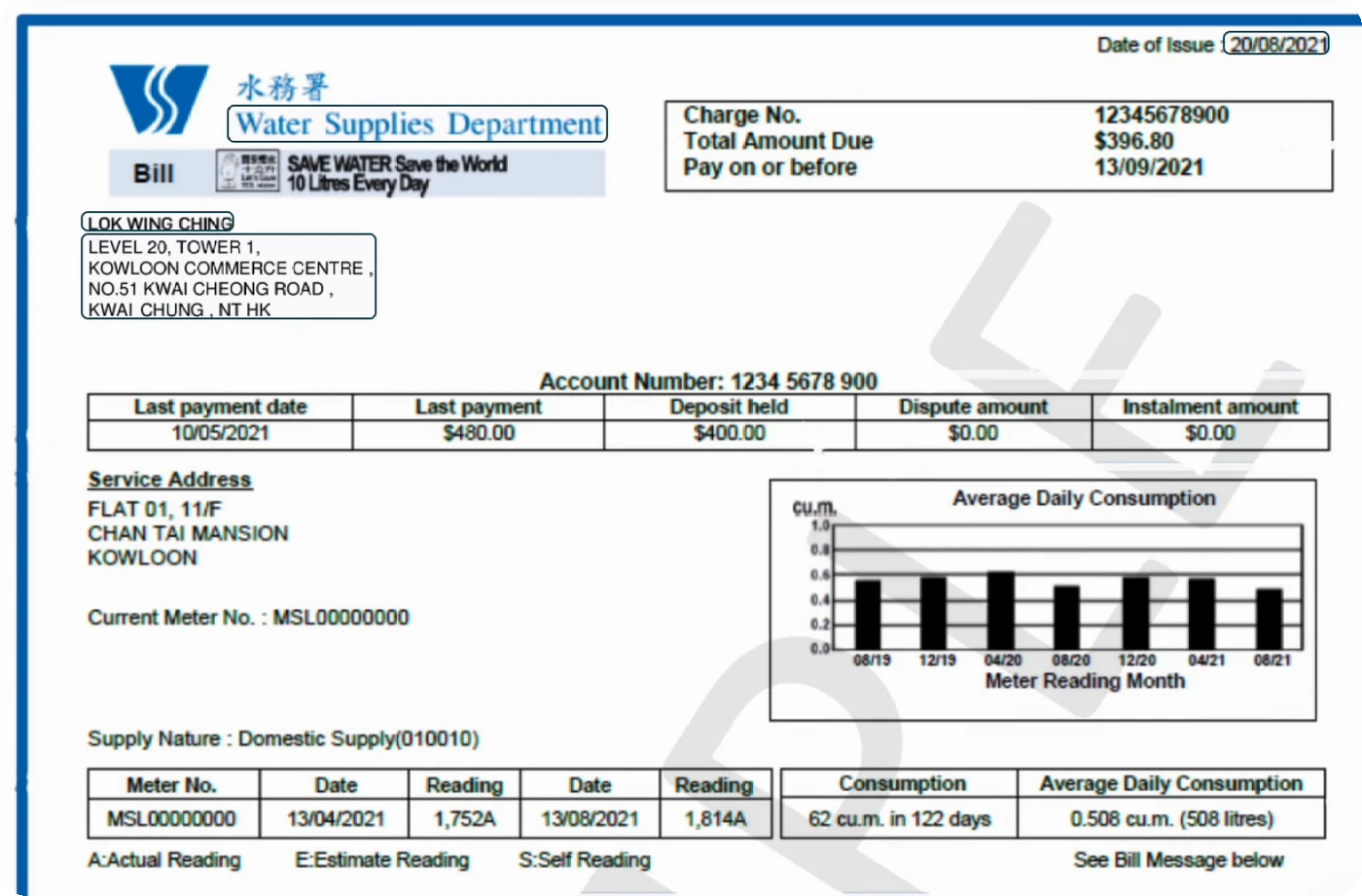
Utility bills
Bank statements
Source of funds and source of wealth
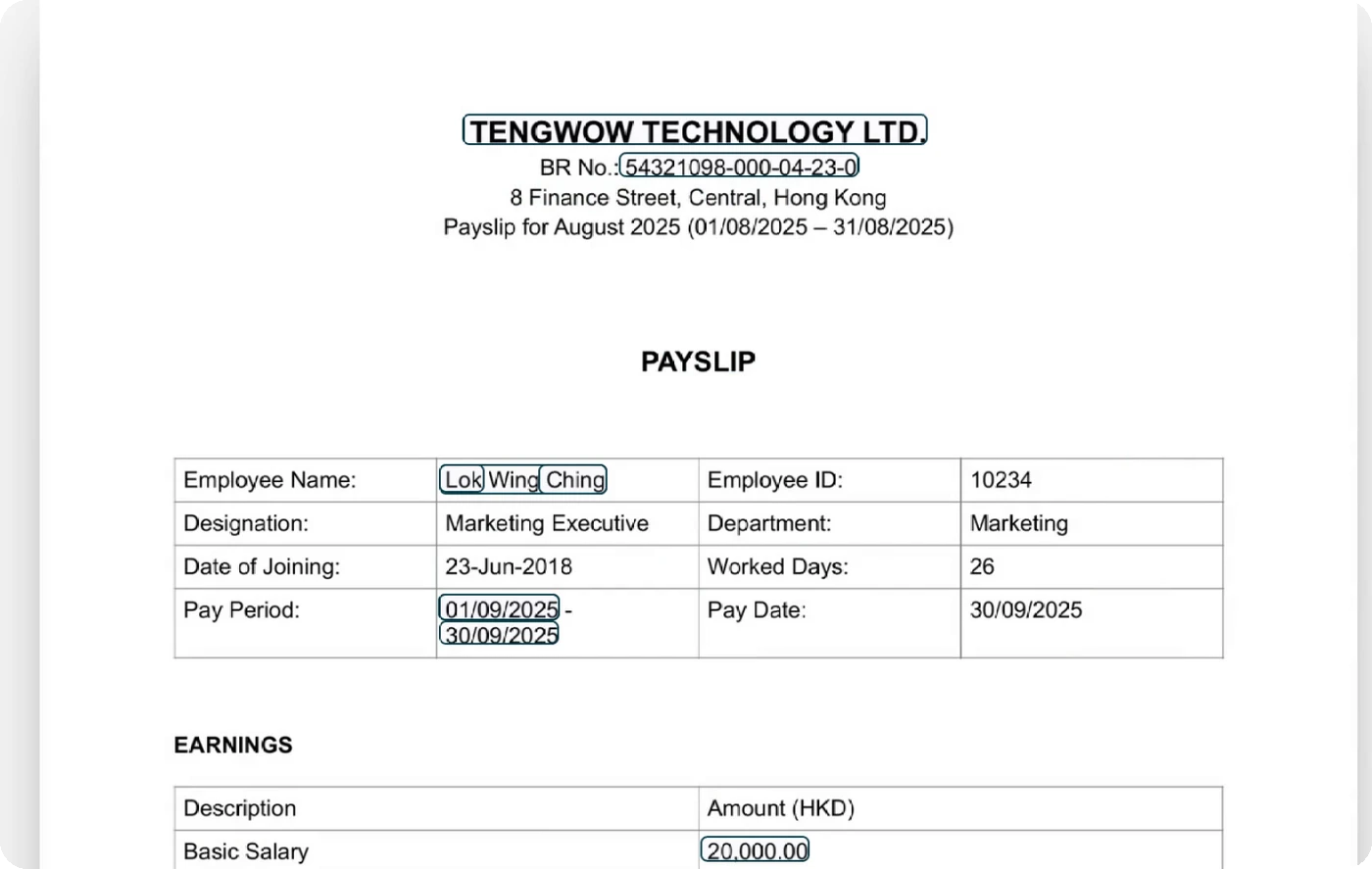
Payslips
Bank statements
Proof of income
KYB documents for business verification
Company registration
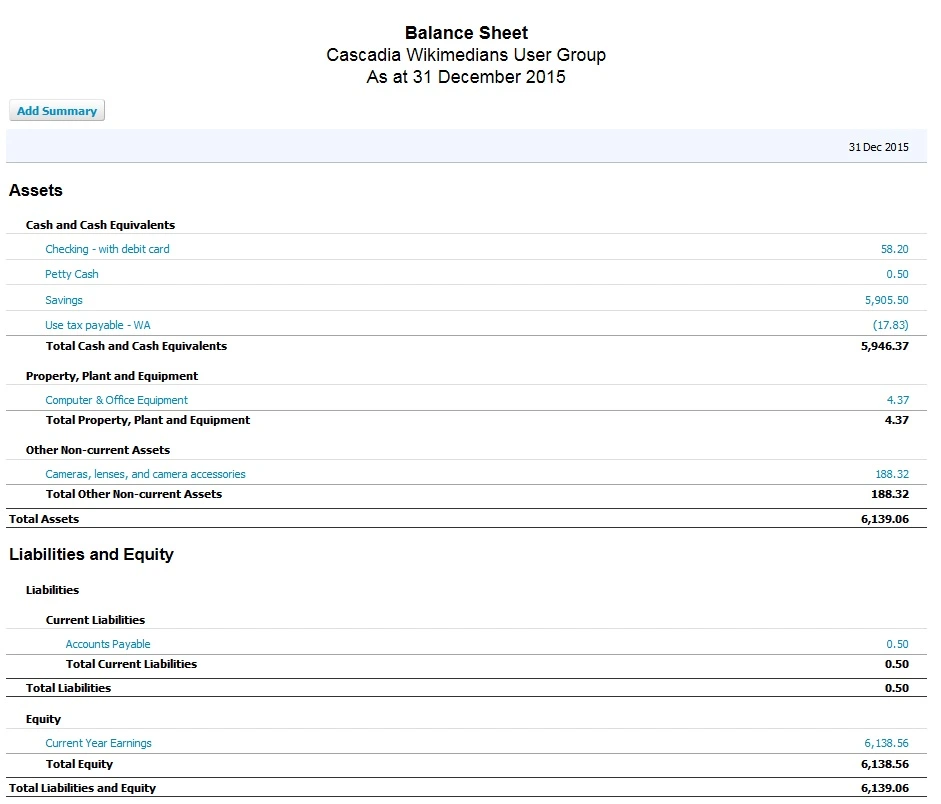
Balance sheets
Ownership and UBO records
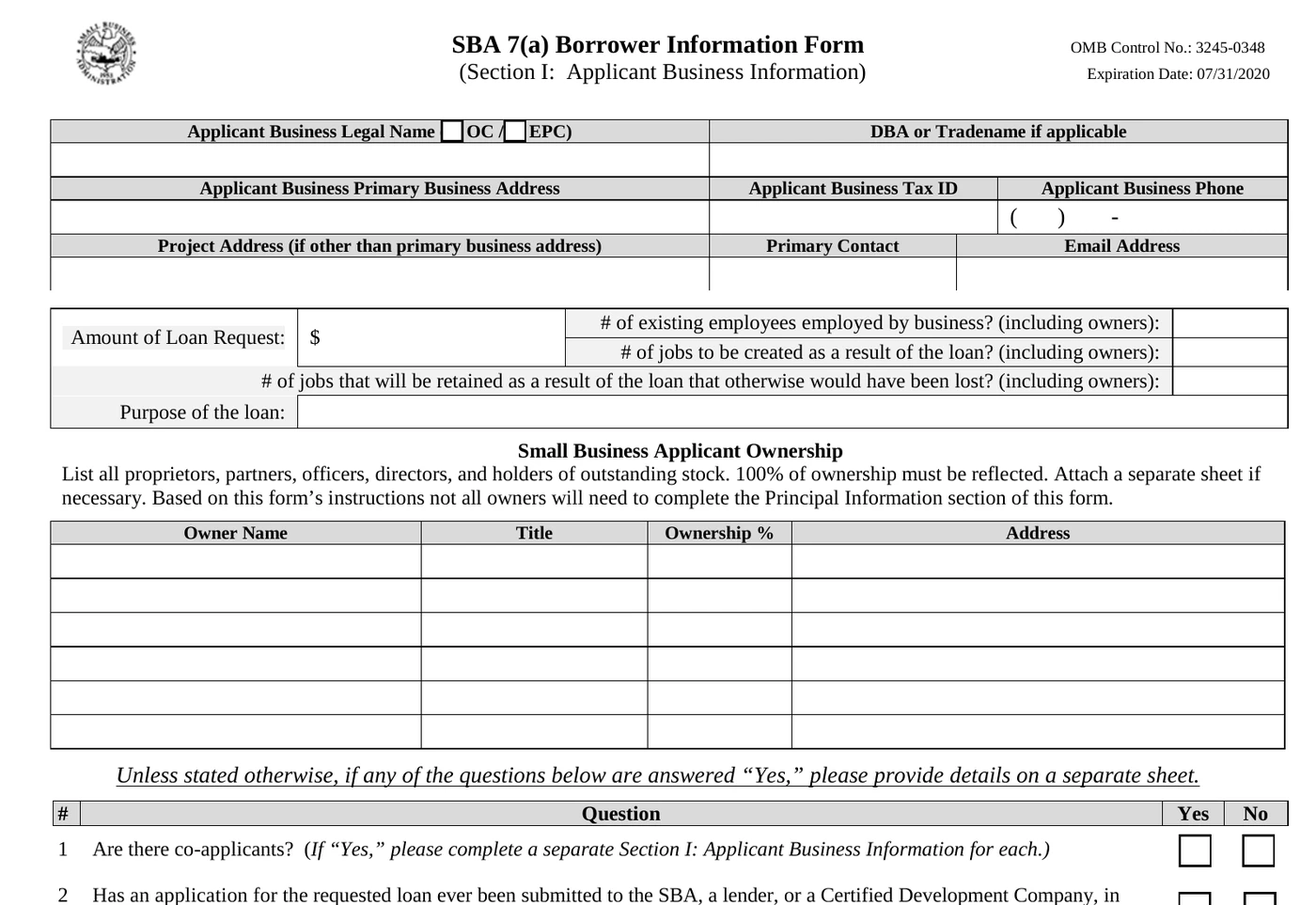
Application and request forms
Application forms
Request forms
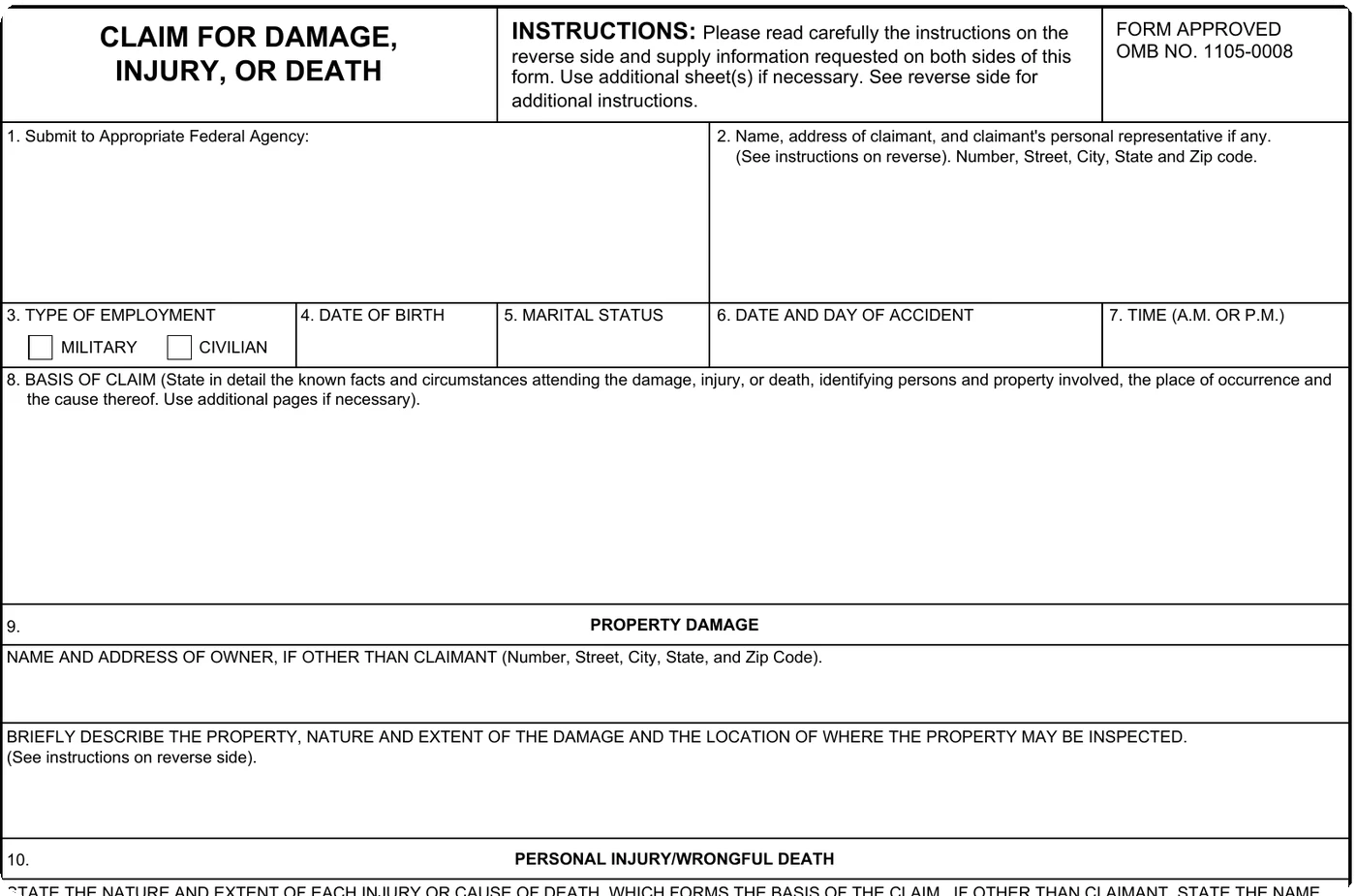
Insurance claims
Claim forms
Policies
Bills
Receipts
Discharge summaries
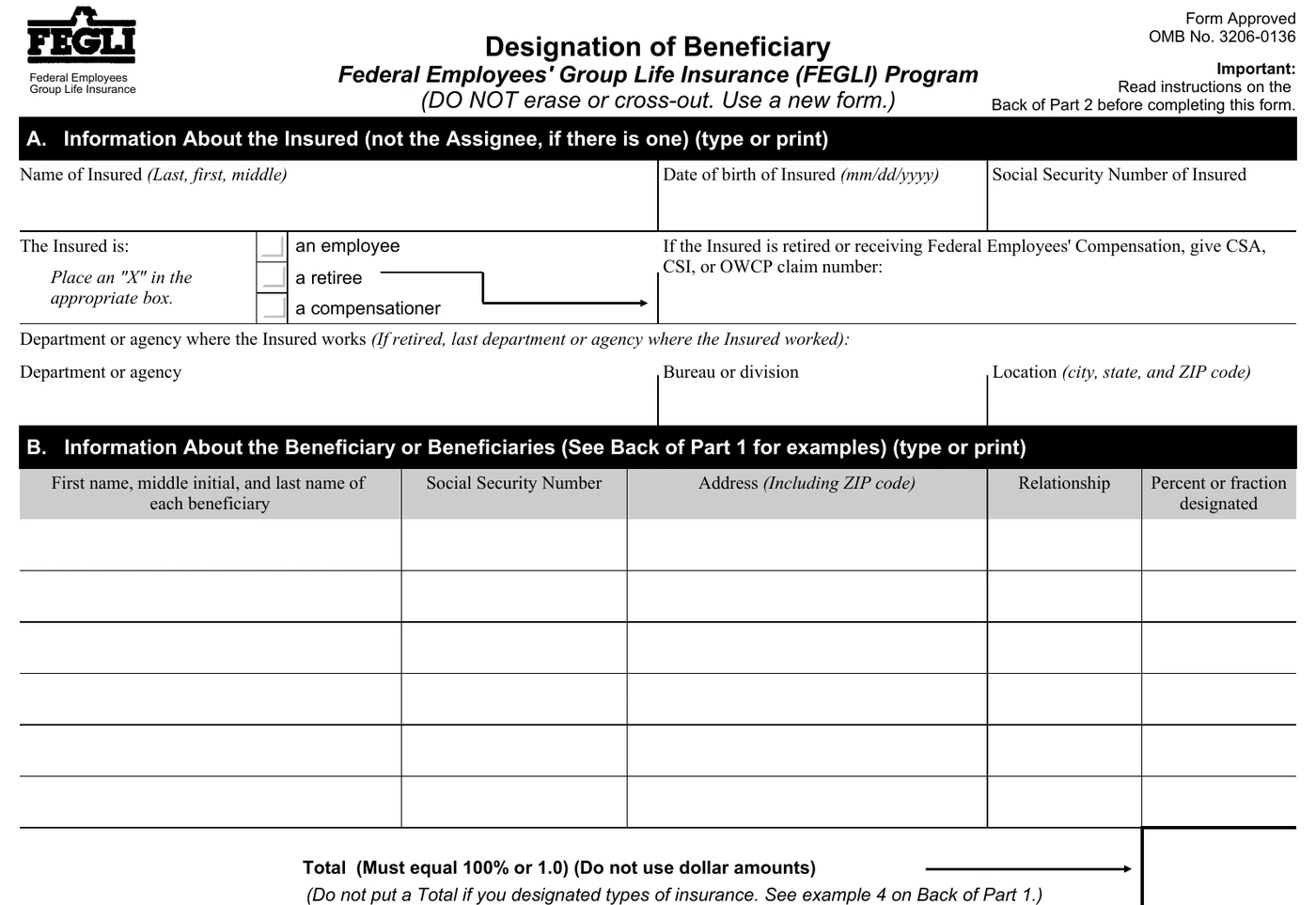
Policy changes and periodic reviews
Top-up requests
Beneficiary documents
The business case for trusted KYC and KYB

Global insurance provider automates document processing at scale with intelligent compliance automation
"The solution achieved an impressive 98.95% redaction accuracy." Zero templates across document types. AML and PCI DSS compliance with secure auditability.
Senior Technology Leader
Global Insurance Solutions Provider
Accuracy
98.95%
accuracy in data capture and redaction
Time saved
60-70%
less manual processing time
Document
46%
of fake documents submitted are national ID cards. In APAC, it's 60%.
Data
US$2,598
is what one corporate KYC review costs a bank. And it takes 95 days on average.
Trust
S$27.45M
in penalties MAS slapped on nine financial institutions in 2025 for AML lapses.

Document tampering detection
Catch forged or altered identity documents at intake, before any data is extracted.


See how Staple automates KYC and KYB verification.
Book a 30-minute demo. Bring your passports, national IDs, balance sheets or bank statements. We'll show extraction accuracy, audit trail, and data residency options for your regulatory environment.
KYC and KYB verification FAQs
What is KYC and KYB document verification?
KYB and KYC verification is a crucial part of customer due diligence (CDD) for bankers, insurers and lenders. It means checking the documents a customer or business submits (IDs, proof of address, bank statements, company registrations, ownership records) to confirm they can be trusted and that the details inside them are accurate and consistent, as they need to process loan applications, customer onboarding, wealth management, insurance claims, merchant due diligence and much more. With Staple, bankers, insurers and lenders can check every document, extract the data, verify it in context, focus only on exceptions and answer auditors with a full record.
How do banks and insurers verify source of wealth and source of funds?
Banks and insurers verify source of wealth and source of funds by requesting documents such as payslips, bank statements, contracts and asset sale records. And they analyse where a specific transaction came from (source of funds) and how the customer’s overall wealth was built (source of wealth). Staple checks every payslip, bank statement and proof of income for tampering and AI-generated content, categorises each transaction as income or not, tests whether that income is stable, and flags name and income mismatches against the applicant’s ID and application, so reviewers only handle the exceptions.
How can you detect a fake or AI-generated bank statement during KYC?
Banks, insurers and lenders detect a fake or AI-generated bank statement by checking the file itself for signs of editing like pixels, fonts and metadata. And they check the data inside it for consistency, like whether the opening balance, transactions and closing balance actually add up. Staple checks every bank statement for tampering and AI-generated content the moment it arrives, tags it with one of five trust labels (Provenance verified, Review required, No issue detected, Integrity issue detected and Unable to assess) and flags anomalies like statement totals that don’t match the credit and debit transactions, so reviewers only inspect the suspect files.
Which documents are needed for KYB verification, and can they be checked automatically?
KYB (know your business) verification usually needs company registration documents, ownership and beneficial owner (UBO) details, tax and address proof and, for higher-risk cases, financial statements and bank statements. And most of these checks can now be automated. Staple catches tampered or AI-generated company registrations, balance sheets and ownership records on arrival, flags ownership mismatches, cross-checks figures like cash balances between the balance sheet and bank statement, and validates details against registries and credit bureaus, so your team only reviews the exceptions.
Can KYC documents in Asian languages and handwriting be verified automatically?
Yes. Document AI can now read non-Latin scripts, stamps and handwriting, but the fields it reads with low confidence still need a human check. Staple extracts data from IDs like Singapore NRIC, Malaysian MyKad, Hong Kong HKID, Chinese resident ID and Indonesian KTP in 300+ languages, including handwriting, rubber stamps, signatures and mixed-language fields. And it sends low-confidence documents to a reviewer before any data is committed.
What is the difference between document fraud detection and KYC document verification?
Document fraud detection checks whether the file itself can be trusted, and KYC document verification checks whether the details inside it are correct and match the applicant’s other records. Staple does both in one pass. The Document layer checks whether each file is tampered or AI-generated, and the Data layer checks whether names, addresses, ownership and income match across documents, registries and credit bureaus.
Does Staple perform biometric or facial identity checks?
No. Banks, insurers and lenders usually run different tools for KYC. Identity verification proves the person is real, often with biometrics and liveness checks, screening checks them against sanctions and PEP lists, and a KYC platform manages the case and the onboarding decision. Staple verifies the documents and the data inside them, without biometric or facial identity proofing, and pushes verified records into your existing onboarding system. So it adds to the KYC software you already run instead of replacing it.
Who makes the KYC decision when AI is used, and how is it recorded for auditors?
Banks and insurers stay accountable for every KYC decision, so regulators expect human oversight of the AI and a record showing how each decision was reached. Staple sends low-confidence documents to a human reviewer before any data is committed, records every action by the AI and the reviewer with confidence scores, model version and timestamps, and seals that evidence so any later change can be detected.